Will my job be taken over by artificial intelligence or robots in the future?
This is one of the key questions that many people have in their minds these days and rightfully so due to the rise of technology, artificial intelligence, and machine learning over the last few years.
When choosing any course, we always suggest that you must follow your dream and passion but it’s also very important to understand the changing environment and make a smart decision based on which industries will have plenty of jobs in the future.
So in this article, we are going to discuss jobs of the future including the top 5 industries to have most jobs in Australia in the next 5 years.
Before discuss about the jobs of the future, we are going to look latest government data (Based on the Skills Priority List, data on job vacancies and projected growth in employment over the next five years).
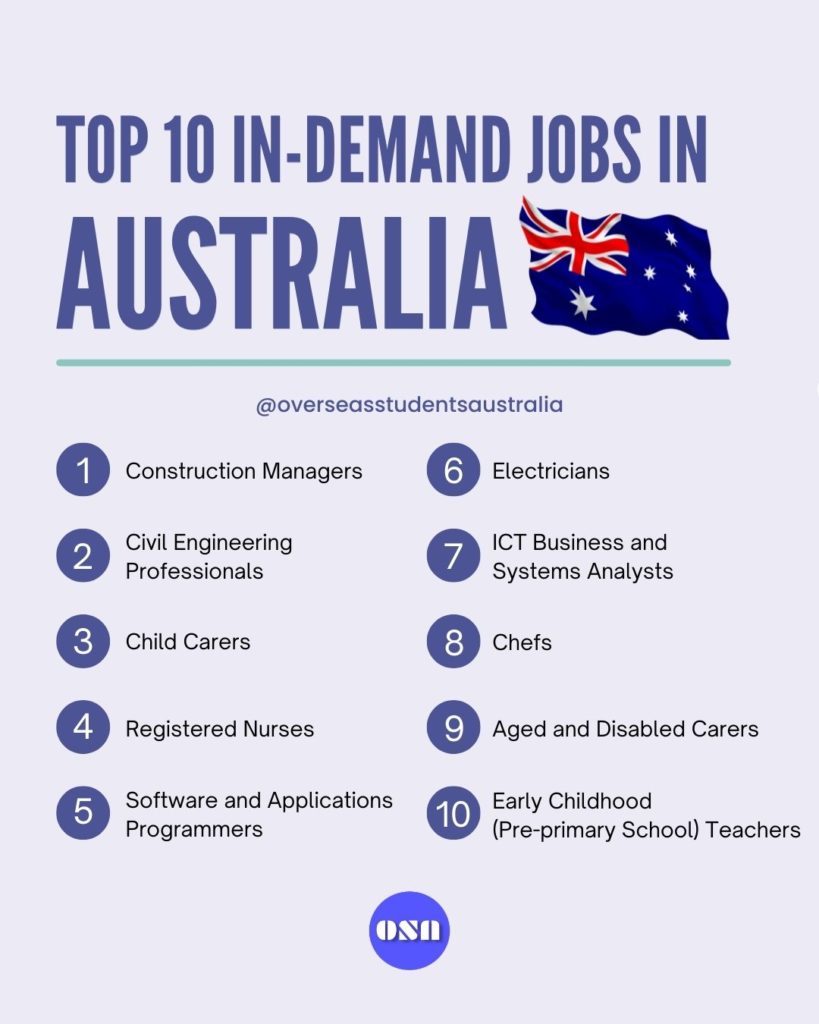
Top 10 in-demand professions over the next five years
Australia’s top 10 in demand jobs over the next five years based on the government statistics is here. We are going to discuss some of these professions in more details in next parts. But here is a quick list of these in-demand professions:
Construction Managers
Civil Engineering Professionals
Early Childhood (Pre-primary School) Teachers
Registered Nurses
ICT Business and Systems Analysts
Software and Applications Programmers
Electricians
Chefs
Child Carers
Aged and Disabled Carers
Let’s go over more details about these professions and industries now.
1. Health care
With an increase in pressures from the pandemic, life expectancy and a growing aging population, Australia needs lots of healthcare professionals.
For the records, there were around 13% of Australians over the age of 65, which increased to 15% in 2017. Now, this number is set to touch 20% by 2037, which clearly tell the saga of the increasing aging population. With that comes the need for more aged care and other health care professionals.
Also, the introduction of the national disability insurance scheme has led to the growth in the disability carers.
Some of the professionals that will be needed in this industry are:
1. Aged and disabled carers
💰 Weekly Pay – $1,265
📈 Future Job Growth – Very strong
🎓 Skill Level – Lower skill
2. Registered nurses
💰 Weekly Pay – $1,909
📈 Future Job Growth – Very strong
🎓 Skill Level – Very high skill
3. Physiotherapists
💰 Weekly Pay – $1,444
📈 Future Job Growth – Very strong
🎓 Skill Level – Very high skill
Search all health professionals related courses here
2. Education and Training
Since the start of the population boom in Australia, the demand for educators is rising day by day, so we will need plenty of educators in the future.
Also, education is Australia’s third-biggest export adding on average of $32 billion to the economy each year. The education industry grew by 2.7% over the past 10 years, much higher than the national average in Australia.
Some of the professionals that are set to drive this industry are:
1. Primary school teachers (particularly in math and science)
💰 Weekly Pay – $1,801
📈 Future Job Growth – Strong
🎓 Skill Level – Very high skill
2. University lecturers and tutors (specifically in the international education sector)
Search all education, training, and language-related courses here
3. Construction
Construction is the third industry which will provide plenty of opportunities in the future. With the current demand for better infrastructure and an increase in housing demand, the construction industry will require plenty of specialised skilled people.
Although the labouring and non-skilled jobs could be replaced by machines in the future and are certainly on the decline but more skilled and degree educated professionals will be required in the industry.
Some of the key skill people required in this industry will be:
1. Electricians
💰 Weekly Pay – $1,823
📈 Future Job Growth – Moderate
🎓 Skill Level – Medium skill
2. Plumbers
💰 Weekly Pay – $1,894
📈 Future Job Growth – Strong
🎓 Skill Level – Medium skill
3. Construction Managers
💰 Weekly Pay – $3,450
📈 Future Job Growth – Strong
🎓 Skill Level – Very high skill
4. Concreter
💰 Weekly Pay – $2,100
📈 Future Job Growth – Strong
🎓 Skill Level – Entry level
Search all building, construction and architecture related courses here
4. Professional, scientific and technical industry
Obviously, with the rise of technology, there will be plenty of jobs in the IT, technical and science sector. There will be more job roles that will arise due to the new technologies become more accessible such as blockchain, 3D printing, drone deliveries, internet of Things, artificial intelligence and machine learning.
Most of the young people planning to work in the future must have some skills and knowledge in IT.
More specifically professionals required in this industry will be:
In 2017, more than 8.8 million visitors in Australia and they spent around $42 billion dollars and in the future, this trend will continue to rise as travel gets cheaper and more efficient. Obviously, COVID-19 had a huge impact on the travel and tourism industry but it has seen tremendous growth ever since and the trend is likely to be the same in the future.
Now, not only many tourists come to travel to Australia but many domestic travellers also become part of Australia’s travel and tourism industry. Also, as one of the high-income countries, we tend not to cook too much at home and rely a lot on eating out and food delivery services.
No wonder, this is certainly giving a lot of push to the jobs in food, accommodation, and other related industries.
Some of the key jobs that will set the boom in this industry are:
It is vital for international students to know which careers or industries have better future career prospects in Australia. It can help international students in various ways, such as:
👉 It can help to choose the right course.
👉 It can also help to plan ahead for the career.
👉 It will be easier for them to find a job in the related study field.
Which courses can I do in these industries?
You can choose to do various types of courses related to these industries, like:
🎓 Vocational Education and Training Programs – For the low to medium-skilled job roles, you can undertake a certificate, diploma or an advanced diplomas course related to the industry.
🎓 Undergraduate Programs – For high skilled jobs, you are usually required to complete an associate or bachelor degree program in that field
🎓 Postgraduate Programs – For a job that requires very high professional skills, a postgraduate degree like a Masters Degree or Doctorate Degree (PhD.) might be required.
So these were the five industries that are set to give plenty of job opportunities in the future in Australia. Which industry are you planning to study?
If you would like to know the future growth aspect of any industry or a career in Australia, then we suggest you check this website out.
This data has been gathered from the Australian Government’s website: Joboutlook.gov.au
Finding your first job in Australia can be really challenging especially if you’re new here. Some of our very own team members have gone through the same stage when they first landed in Australia
And doing some short courses helped them to actually land up their first job in Australia.
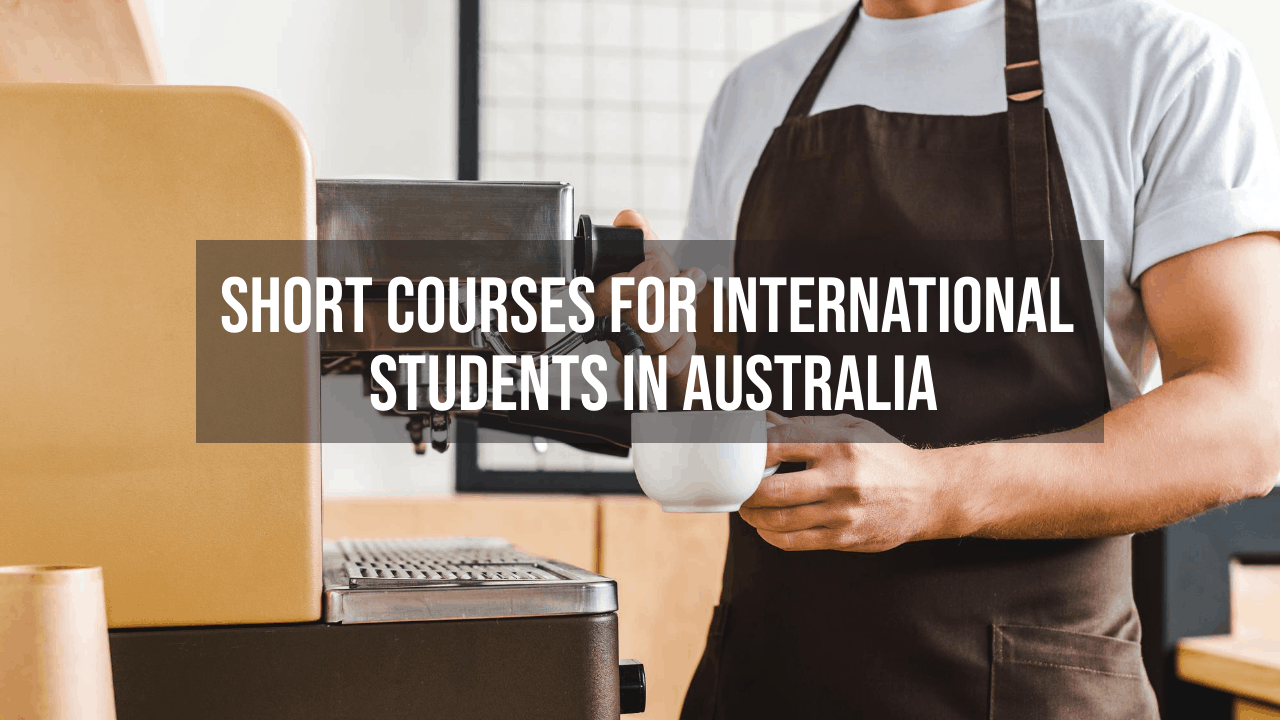
So, in this blog post, we’re going to talk about short courses for international students in Australia that can help in getting a part-time job while studying in Australia.
RSA
What it is?
The first course that we recommend you to undertake is the hospitality course, it’s known as RSA (Responsible Service of Alcohol).
If you’re going to work in the hospitality industry for example in the bars in the nightclub or in the restaurants and serve alcohol over there, then you must have this certificate. You are not allowed to work and sell or serve alcohol without this certificate.
What do you learn?
The course itself empowers you with the skills and knowledge that you require to serve alcohol responsibly to the customers.
Duration?
You can complete this course face to face within three to four hours.
Cost?
The cost of this course is around $50 to $100 dollars depending upon where you’re doing this course.
Where can you do these courses?
If you would like to undertake this course, you can use one of the link below to register:
Please note that if you’re going to work in the hospitality industry for a long time, then you need to refresh the RSA certificate every three years or so. Usually, you can do it online and mostly it is free to do it.
RSG
What it is?
The second course that we recommend you to undertake is also a hospitality-related course, it’s known as the responsible service of gambling or responsible conduct of gambling. In short form it is also known as RSG or RCG.
This course is specifically designed for the people who are going to work in the gaming or gambling industries. You are required to have this certificate by law if you’re going to operate the gambling machines in licensed premises.
What do you learn?
This course helps to promote safety in venues where there are gaming machines including how to recognise gambling problems and addiction among the players.
Duration?
It is a one-day long course (around 6 hours face to face) that you can undertake to improve your chances of getting a job in the gaming industry.
Cost?
Usually it can cost anywhere around $50 to $100 as well.
Where can you do these courses?
If you would like to undertake this course, you can use one of the link below to register:
Please note that depending on each state or territory, you will legally be required to refresh this training after every 3 years or so to continue working in the gaming industry.
Barista course
What it is?
The third short course that we are going to recommend you to undertake is a Barista course. This short course is also related to the hospitality industry. However, unlike RSG and RSA course, you’re not legally required to have a barista course in order to work in the cafe industry.
Australians love their coffees and their Baristas, so it’s a very good chance that you might be able to get a job in the cafe industry while studying in Australia. Having barista skills can be really great for you if you’re looking for your first job.
What do you learn?
In barista course, you’re going to learn about how to make different types of coffees, effectively using coffee machine and how to make coffee art that can help you to get a better job in a cafe industry.
Duration?
The course itself is around one day as well but it depends upon whether you’re taking a basic or beginners course (usually takes 3 – 4 hours). If you’re taking an advanced barista course then it can take up to two days to complete.
Cost?
The cost for completing the beginner’s barista course can be around $100 – $150, while advanced courses can cost you $250 to $400.
White card
What it is?
The next couple of courses that we are going to recommend are related to the construction industry. So the first course that we recommend you in construction industry is known as a White Card. It is also known as Green Card in some states.
If you are looking to work as a labourer in the construction industry, then this is a must-do course for you. The construction industry is a very dangerous industry and you are legally required to have this card in order to work at a construction site in Australia.
What do you learn?
Basically, you will learn the skills and knowledge about how to identify the hazards at the workplace, how to report them, how to reduce safety hazards and what do to when the accidents happen at workplace. So, this course is specifically about your own and other people’s health and safety at a construction site.
Duration?
This short course usually lasts for one day (around 5 to 6 hours) as well.
Cost?
The cost of this course can be around $100 to $200.
Where can you do these courses?
If you would like to undertake this course, you can use one of the link below to register:
The next short course is about Traffic Controller Training. This course train you in how to control the traffic with the stop and slow sign.
If you’re already in Australia, then you probably have seen these workers who have a stop and slow sign in the hand. They stand on the street with this sign and control the traffic with that.
This short course is specifically designed for the people who are going to work in the construction industry but their primary job is to stop and control the traffic at construction sites.
What do you learn?
In the Traffic Control training, you will learn about the safety of traffic controllers, motorists, pedestrians, and your fellow workers. You will also learn the skills of controlling the traffic, minimising the risks and delays to the traffic.
Duration?
It’s another one day course and usually lasts 6 to 8 hours.
Cost?
The cost of this short course can be around $150 to $250.
First Aid Course
What it is?
One last course that we recommend you to take is a First Aid course. If you are specifically going to work in the health industry, then you may need to take this course as part of your course requirement.
This course is not only useful for work but can be useful at home or within the community.
What do you learn?
The short course itself teaches you about how to provide a First Aid response, life support, managing casualties, incidents and other first aiders before the emergency medical services arrive.
In general, this course will equip you with a knowledge of what to do when accidents happen and in an emergency helps you to make an informed decision.
Duration?
This is another one to two-day long course (around 7 to 10 hours).
Cost?
The cost of this short course can be around $100 to $150.
Summary
Now all the courses that we have just mentioned can be done online in most of the states and territories in Australia, while other states may not approve it. So it is a very good idea to research whether your local authorities allow you to undertake these short courses online.
Now doing these short courses does not guarantee that you will land a job for sure but this give you a better chance to compete with other applicants when you’re applying for the job. As you can demonstrate a better knowledge and skills than the other applicants applying for the same job role.
Based on many overseas students experience, these courses can certainly help to improve the chances of getting you for the first job in Australia. Well, we hope you find this information about the short courses in Australia useful and we wish you all the best for your job search.
So you have landed to study in Australia but you don’t know anyone here. You don’t know how to get around and worried about making friends. So in this article, we are looking at 10 ways on how to make friends in Australia as an international student.
1. Making friends at University
As an international student studying in Australia, the first point of contact for you will be your educational institution. Whether you are studying in a university, TAFE or a private provider, there are usually many opportunities for making friends at all these institutions.
To make friends at your university, we suggest you attend your orientation. Now we explain a lot about orientation in detail here. But to give you a quick overview, orientation is a way of welcoming new students by Australian educational institutions.
Another way to make friends at uni is when your classes start you can observe the people in your lectures or tutorials and approach them for a drink or sharing notes or just having a meal.
You can also join student social clubs and participate in various activities organised by these clubs. Not only it gives you some experience in dealing with people from various backgrounds but also helps in making lifelong friends.
Also, attending special events organised by your institution is a good way to network and make friends. So whether it is a special lecture, guest speaker conference, workshop, seminar, etc, try to attend as many as you can.
2. Make friends at the workplace
One of another popular place for lots of international students to make friends in Australia is at their workplace.
It is quite a common culture for many workmates in Australia to mingle after work, especially for after-work drinks. But if you don’t drink, that’s fine too as you can ask your workmates to go for other activities like watching a movie, going bowling or a bite to eat.
Lots of workplaces even have a culture to encourage staff to do other activities which help to build team bonding like barbeques, playing sports, day trips and family activities etc.
3. Choose your accommodation wisely
Accommodation can be very critical for making new friends in Australia, so choose it wisely. While there are many types of student accommodations available for international students in Australia. You should choose the one that meets your budget, lifestyle and the one where you can make a few new friends.
Lots of international students choose backpacker hostels as their first accommodation before moving into other types of accommodations. It is not only cheaper to live rather than a hotel or private room but also an excellent way of meeting new people from other countries and cultures.
Apart from backpacker hostels, international students also live in managed student accommodations. These accommodations are specially designed to meet the needs of the students.
So these managed student accommodations have lots of other students from different parts of Australia and the world living under the same roof. If you decide to live in them, then don’t forget to attend all the social events organised by these facilities.
We also know that some students will not live with other students from their own culture or country, so they can make friends from other parts of the world and it can help them to improve their English as well.
4. Facebook and Whatsapp groups
Another way to make friends in Australia is through social media platforms. But we are specifically talking about Facebook and Whatsapp groups as these are indeed very popular networks for socialising in Australia.
There are many groups you can join and make friends with other group members online and attend all the events organised by the group admins or members. Alternatively, you can catch up with these people privately outside the group events too.
In case, you decide to meet a person in private, we suggest you meet them in public places like cafes, restaurants, etc to ensure your safety.
5. Attend local events
Most of the Australian cities and towns organise various food festivals, exhibitions, and other educational events during the year. Check all the local events happening in your area and visit them and make friends with locals there.
You can check all the events happening in your local community by visiting your local council’s website. We suggest you check this website for all the major events happening in each state and territory.
As Australia is one of the most diverse countries in the world, there are many cultural events that you can be a part of. So whether it is Chinese New Year, Indian Diwali Festival, Greek Festival or Spanish Fiesta, you can enjoy these cultural events and make new friends either by just attending or working at them.
These events are usually free to attend and they can be close to your neighbourhood so don’t need to travel far away from attending them.
6. Do volunteering when free
For some students it might seem like that volunteering is a time-consuming task and of course, it’s not paid work but it’s definitely done for a good cause. While volunteering, you will come across people who share the same common values of helping others.
You can do volunteering either by helping an elder, disabled person or you can join a local volunteer organisation. There are many ways you can help the local community in Australia.
It is also very much appreciated by locals and you can use the experience you gained at these volunteer events or jobs in your resumes too.
The volunteer organisations are always needing more helping hands. So don’t be shy! Go volunteer is also a very popular platform for finding volunteer work in Australia.
7. Play sports
Australians love their sports especially Australian Football (aka AFL), Cricket, Soccer, Hockey, Rugby and pretty much any sports you can think of. Playing sports will also mean that you will keep yourself healthy and fit.
Ideally, you can look for sports club in your local area by checking it on facebook groups or find it from your local council or a community center. Sometimes, a simple google search to find a sports club in your local area can also do wonders.
Alternatively, you can also join a gym as they regularly hold events and you can find a buddy to workout with and have a decent conversation as well. You will see familiar faces on a regular basis in the gym, so no harm in asking for a piece of quick advice or support to start a convo there.
8. Go to your place of worship
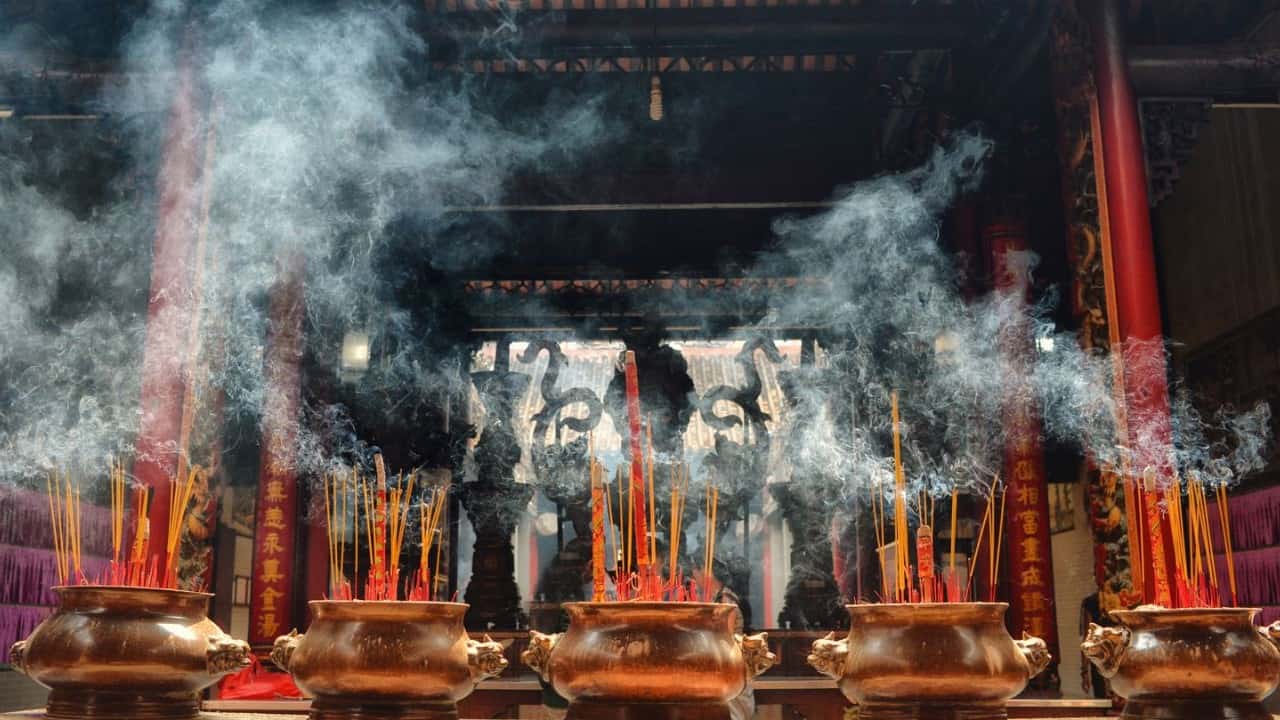
Believe it or not but religious places are not the only way to connect with God but also with other people who share the same belief as you do. So whether you are Christian (Church) Muslim (Mosque) Hindu, Buddhist, Sikh (Temple), Jewish (Synagogue) there are many religious worship places you can visit for praying and seek friendship there
You can always start by talking with religious leaders of the place about how you can connect with more people and attend the events organised by these places.
Usually, people attending these religious places are welcoming and if you are regularly attending these religious places, you can make more friends there.
9. Go to a local Library
If you love reading books, there is good news for you as there are plenty of libraries in Australia. Not only you can read the books in the library but also you can also find other readers who have a common interest in reading similar types of books.
If you already know about the layout of the library, then you can help others who are searching for books. Again, the libraries also organise tours, events and other activities, you can be a part of these groups for these activities for making friends.
10. Be part of the meetup groups and events
Australian cities are famous for organising lots of meetups. You can literally find many meet groups in each city. The best way to find these groups is by using online platforms like Meetup.com and Eventbrite.com.au.
These groups and events are organised by a host and you can also filter them by your specific interests. If you are confident in organising events, you can also create your own group or event on these platforms.
While lots of these groups and events are free to attend, some of them might cost you some dollars.
So there you have them all on how to make friends in Australia as an international student. We want to hear which method did you use to make new friends in Australia.
We have been frequently asked by many overseas students “Should I study in a regional area or in the city in Australia?” So we went and explored various aspects of studying in the regional towns and city area. Let’s look at the pros and cons of studying in regional Australia and the city:
What are the Regional Areas in Australia?
Regional Australia is referred to as any area outside a metropolitan area.
Australian government is simplifying the definition of Regional Australia for various visa purposes. From November 2019, Regional Australia will include all of Australia except:
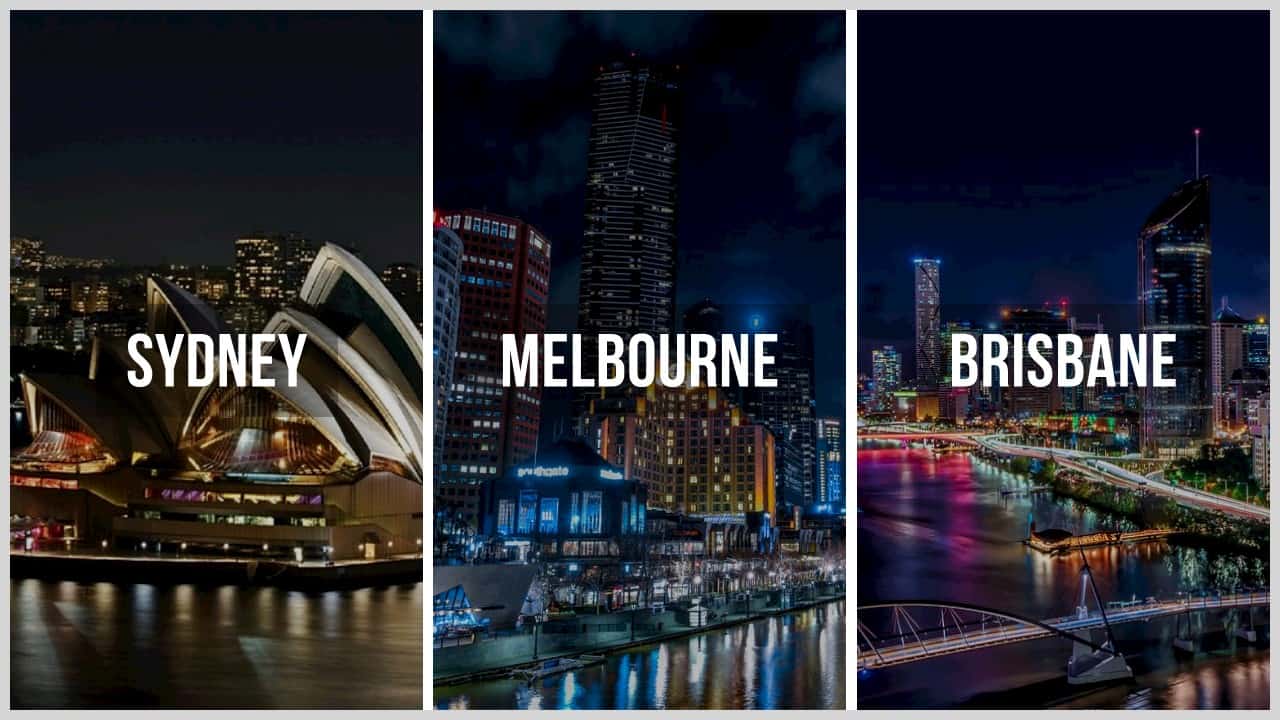
Sydney
Melbourne
Brisbane
This means some cities (like Gold Coast, Perth, Canberra, Newcastle, and Wollongong) previously considered as cities will be included in the list of regional areas.
For migration purposes, the Department of Home Affairs has divided the whole of Australia into three main categories:
Major Cities
Cities and Major Regional Centres
Regional Areas and Other Regional Centres
In this table below, we try to make it easier for the students to understand the new regional areas from 16th November 2019 and the benefits they can access when studying in these areas.
– Priority processing on regional visas. – Access to the Regional Occupations List – more jobs compared to non-regional lists. – International graduates with a bachelor or higher qualification from a regional campus of a registered institution will be eligible to access additional year in Australia on a post-study work visa
Regional centres and other regional areas
– Rest of Australia
– Priority processing on regional visas. – Access to the Regional Occupations List – more jobs compared to non-regional lists. – International graduates with a bachelor or higher qualification from a regional campus of a registered institution will be eligible to access additional 2 years in Australia on a post-study work visa – Priority in negotiating region-specific Designated Area Migration Agreements (DAMAs).
The Commonwealth of Australia does not necessarily endorse the content of this publication.
Why the Australian Government made these changes?
As regional areas are generally less populated areas, that’s why the Australian Government is promoting and getting more people to move out in those areas.
It will not only help to build up those areas but also help to meet the shortage of the skills needed in the regional areas.
These changes will also mean that there will be less pressure on major cities like Sydney, Melbourne and Brisbane that has got a growing population.
Universities in regional areas
Australian Capital Territory
Australian National University – Canberra
University of Canberra – Canberra
Australian Catholic University – Canberra
New South Wales
Charles Sturt University – Wagga-Wagga, Port Macquarie, and Albury
Southern Cross University – Lismore and Coffs Harbour
University of Wollongong – Wollongong
University of New Castle – New Castle
The University of New England – Armidale
Northern Territory
Charles Darwin University – Darwin
Queensland
University of Sunshine Coast – Sunshine Coast
Central Queensland University – Rockhampton, Cairns, Gladstone, Noosa, Townsville, Emerald, Mackay, Bundaberg
James Cook University – Townsville
University of Southern Queensland – Toowoomba
Bond University – Gold Coast
Griffith University – Gold Coast
Southern Cross University – Gold Coast
South Australia
Flinders University – Adelaide
University of Adelaide – Adelaide
University of South Australia – Adelaide
Carnegie Mellon University – Adelaide
Central Queensland University – Adelaide
Tasmania
University of Tasmania – Hobart, Launceston, and Burnie
Victoria
Australian Catholic University – Ballarat
Deakin University – Geelong and Warrnambool
Federation University – Ballarat
Latrobe University -Bendigo, Shepparton, and Wodonga
Western Australia
The University of Notre Dame – Broome & Fremantle
University of Western Australia – Perth
Curtin University – Perth
Murdoch University – Perth
Edith Cowan University – Perth
Central Queensland University – Perth
City Area
Pros
Facilities
Australian cities are some of the most liveable cities in the world. The universities in the metropolitan areas are world-class and well known for their education, campuses, and facilities like libraries, computer labs, science labs, etc.
Lots of options for studying
There are thousands of courses that you can choose when studying in the metro areas. Most of the universities, Tafe and private range of study options that you may not be able to find in some regional areas.
Multicultural
Australian cities are very multicultural. You can see people from all walks of life, religions, backgrounds, and nationalities. Don’t get surprised if you bump into people from your home country.
More job opportunities
With larger populations, comes a huge number of job opportunities. As most overseas students look forward to some part-time work during their study period, it becomes the crucial factor for deciding where to study in Australia.
Easily accessible transport
Australian cities are really well connected with the different modes of transport like trains, trams, buses, and ferries. Most of the cities have multiple modes of transport which make going from home to school or work really easy and you don’t need to buy a car to travel around the city.
Entertainment
There are a large number of shopping centers, cinemas, restaurants, bars, and nightclubs in the cities for your entertainment. Apart from them cities will also hold various events like festivals, sporting events, etc.
Cons
Crowded
As mentioned above, the main reason the Australian Government is trying to push students and migrants to move to regional areas is due to cities like Sydney, Melbourne and Brisbane are getting overcrowded.
Population in these cities are booming which leads to congestion on the road, crowded public transport and shortage of rental properties.
Lots of competition
Although there are plenty of job opportunities available in the cities, there is stiff competition in the job market as most of the international students choose to study in city areas.
No additional points for migration purposes
If you are aiming to get additional points for the migration purpose, then cities are not going to be much help. There are no extra points for studying in the metro area.
Regional Area
Pros
Extra points for migration
One of the main reasons international students choose to study in regional areas is the obvious benefit of getting 5 extra points. These 5 points can be vital when applying for your permanent residence.
Additional year on Post Study Work Visa
As announced by the Australian Government, international students studying at regional universities will get one extra year of Post Study work visa. This visa allows the students to stay back in Australia after completing their studies for working full-time.
More Australian culture
You can see the real Tru-Blu Australian culture when leaving in regional towns. While Australian cities are very multicultural, Australian towns are opposite and have fewer migrants. You can get to see, live and experience the typical Aussie environment.
Relaxed lifestyle
The pace of life in Australian regional towns is much slower than the cities. People usually are not in a rush, so it might feel like you are on a vacation all the time. Even at work, people take a laid back approach and the workload is less stressful.
Cost of living
As a matter of fact, the cost of living in regional towns are much less compared to the cities. For example, while the rent for a 1-bedroom apartment costs around $1360 in Adelaide and it costs $2602 in Sydney.
Closer to Nature
If you like to bring closer to nature and love the outdoors, then studying in a regional area will be the best bet for you. Australia is a beautiful country with its very unique landscapes and wildlife.
Specialised courses
There are certain types of courses that are only available in regional areas. For example, the University of Tasmania’s Marine courses is the kind of one and only courses available throughout Australia.
Small class sizes
One of the key benefits of studying in a regional area is that class sizes are smaller as compared to cities. So, you get a personalised sort of education and its quite easy to build a relationship with your teachers and lecturers.
Special scholarships
Australian Government has announced a special scholarship, Destination Australia, for international students studying in regional universities. This scholarship will provide $15,000 per year to the students studying programs from Certificate IV level to Doctoral degrees.
Many universities also offer a variety of scholarships to attract more international students to study in the regional area. Make sure to enquire for scholarship before you apply for any course.
Community Feeling
When there is less number of students studying in your course, you can easily build a bond with them. It also helps to settle into the study and living environment quickly. Since most students might be living in the same areas, it is easier to catch up with friends after uni.
Cons
Fewer job opportunities
As most of the regional towns are smaller compared to larger cities, there can be a shortage of jobs in certain regional towns. As community aspect is really strong in regional areas, most of the employers prefer to give jobs to locals first.
Facilities
Infrastructure, lack of funding and less number of students mean that facilities in the universities are not as fancy as they are in city universities.
Lack of Public Transport
Public transport in regional areas is very limited. Usually, buses are the only mode of transport in regional towns with limited timetables. If you are not living close to university or work, then you will need to buy a car for your everyday commute.
Entertainment is limited
Regional towns are nowhere close to as lively as cities are. Most of the shops and shopping centers will close early and fewer number of options are available for dining out and events.
Our Top 10 regional cities for studying in 2020
Based on our research on various factors like:
Cost of Living
Lifestyle
Liveability
Availability of reputed universities and courses
Facilities
Job opportunities
Our Top 10 Cities for studying in Regional Australia are:
While there are many pros and cons for studying in both regional and metropolitan areas in Australia, we suggest that you find one that meets your requirements well.
Some of the factors you should consider when making the final decision about studying in Regional Australia or city are:
Your career goals
Your financial situation
Your preferred course
Your lifestyle
The reputation of the university or institution
Cost of living
Job opportunities
We hope this article helps you in making a better-informed decision for your career.
Student exchange in Australia comes with plenty to organise.
And so, when it does come to organising, budgeting should be number one on your priority list. Because, like all things in life, your student exchange is going to cost you!
In which case, it’s time to take a look at what costs and fees you can expect as an exchange student in Australia.
Visa Application Fee
Caption: Student visas come with student visa fees!
First things first. If you plan on studying in the great big land of Oz, you’re going to have to apply for aStudent Visa (Subclass 500). The base application fee is currently $575 AUD and applies to students within or outside of Australia.
If you have family members planning to tag along, they also come at an additional cost. Additional application charges add $430AUD onto (your existing) application fee. And, for any underage family members, you’re looking at $140AUD.
Health Examinations
Medical examinations are a standard procedure with any type of visa. And so, your student visa is not exempt from this visa “fact of life”. Fees depend on your home country and the kinds of examinations you are personally required to take.
But, to give you a general idea, the basic medical examination in Australia ranges from $200 AUD to $300 AUD. You may have more costs added to this price depending on whether theMy Health Declarationsrequire you to take extra examinations.
Overseas Student Health Cover
Assuming you’re alive and well, the next thing is to make sure you stay healthy for the duration of your student exchange. This means you will need Overseas Student Health Cover (OSHC).
The OSHC is mandatory if you want to shift your student visa from pending to approved. The Australian Immigration Department requires you to have your OSHC policy in action from the moment you arrive in Australia…until the moment you leave.
In terms of cost, your OSHC cover varies depending on what level of insurance cover you choose, how long you plan on staying in Australia, and which insurance provider you choose.
Again, for a general idea, your standard OSHC policy costs roughly $480 AUD to $560 AUD per year. For a one-year standard OSHC policy, the main certified OSHC insurance companies in Australia include:
AHM: $486 per annum (each year)
NIB: $491 per annum (each year)
Bupa: $544 per annum (each year)
Medibank: $545 per annum (each year)
Allianz: $558per annum (each year)
Tuitions & Access To Genuine Funds
Caption: Organise your finances to get your student visa approved
Now you can’t apply for student exchange if you’re not enrolled to study at an educational provider in Australia. So you’re going to have to start calculating in tuition fees. While tuition fees vary from one education provider to the next…a university semester in Australia costs $10,000-$20,000 on average.
The Department of Home Affairs determines whether you have the funds to support your education (and living expenses) through its ‘Genuine Access To Funds’ assessment.
In order to pass this assessment, you will need to show documentary evidence that you can actually pay for your student exchange in Australia. And you have a few official options to choose from:
Option 1 – Twelve Months Funds
Evidence of funds for travel to Australia, 12 months living, and tuition:
Flight Costs: $1,000 AUD-$3,000 AUD (depending on which part of the world your applying from).
Living Costs: $20,290 AUD for students. Plus add an extra $20,290 AUD if you’re accompanied by a guardian, $7,100 AUD for a Spouse/Partner or $3,040 AUD for a child.
Course Fees: Calculate the first 12months of your course fees (starting from the date you lodged your visa application).
Option 2 – Annual Income:
Evidence of sufficient annual income:
You must have a personal annual income of at least $60,000 AUD. And for those of you who are being accompanied by family members, the requirement is at least $70,000 AUD.
The income you demonstrate must be either personal income from your spouse or parents. Or you can also negotiate for the total amount to be combined from a few people’s incomes. You will also need to provide official government documents such as tax assessment.
Option 3 – Genuine Access To Funds:
You and any accompanying family members must demonstrate you will have access to the funds while in Australia:
When another person/business is providing funds: Show evidence of the relationship and any history of financial support, i.e identity documents.
If relying on a financial deposit: explain any recent large deposits or ongoing deposits e.g. wages.
If you have an education loan: disbursement should be provided i.e. the loan terms and the full amount to be disbursed.
If you’re relying on another type of loan: show evidence of collateral used to secure a loan, terms of the agreement, and capacity to cover ongoing costs.
Student Accommodation
Caption: Don’t forget student accommodation costs
Next up on the list. How much isstudent accommodation going to cost you? Of course, this isn’t an additional cost. It’s part of the Genuine Access to Funds Options – 1) 12-Months Fund, 2) Annual Income, or 3) Genuine Access to Funds.
Still, it’s worth wrapping your head around what kinds of student accommodation options are available and their relative costs.
Option 1: Host Family:
Staying with an Australian host family is popular for students on a high school exchange, and less so for those on university exchange. Still, there are plenty of university students that can’t say no to a home-cooked meal!
Weekly Price Guide: $300 AUD for standard homestay package (including food, accommodation & utilities).
Option 2: University Accommodation:
Always a great option for those students obsessed with all things uni life and having your university right at your doorstep. It tends to be on campus or right nearby.
Weekly Price Guide: $150-$400 AUD (Including utilities and communal areas, usually excluding wifi, furnishings, and food).
Option 3: Off-Campus Student Accommodation:
Purpose-built student housing is designed for international students wanting to experience student life without the “your university is your home” aspect of on-campus living. These sites tend to be located in central university districts and social hubs and filled with other international and domestic students.
If you are all about independent living, renting your own apartment is about as independent is it gets. You get to choose your own apartment, the area you live, and the kind of people you flat with. Usually, it is not furnished and you also have to pay the utility bills as well.
Weekly Price Guide: $250-$400 AUD (not including food or utilities. And may or may not include furnishings)
The English Test
Your English Language test costs more than just brainpower (Image 5)
To study in an English speaking country, as the logic goes, you need to have English language skills. Which means you will have to sit the IELTS or an equivalent English language test. And this testing comes at a cost.
In all likelihood, you’ll be sitting the IELTS – the most widely respected and accepted English language certification in Australia. The IELTS test costs $340 AUD or $347 AUD where a GST payment applies.
Police Clearance Certificate
Another annoying but necessary part of your student visa application is a police certificate. The Department of Immigration requires character clearance for international students entering the country. Price varies depending on which country you get your certificate. But, to give you a rough idea, it’s $42 AUD for a police check application in Australia.
General Expenses
General living expenses are entirely dependent on you! Excluding accommodation…your looking at about $50-$250 AUD per day for public transport, groceries and/or eating out, and maybe a bit of recreation or shopping. Of course, you can go far below or above this limit depending on how thrifty or luxurious your student lifestyle is.
Takeaway Thoughts
Your student visa application and student life in Australia is going to require some serious cash flow. In which case it’s time to knuckle down, get out your calculator, and start budgeting in your student exchange fees!
Food is one of the most important parts of our lives. As a vegan or vegetarian, it can be hard to survive in certain countries. But is Australia easy enough to survive for vegan or vegetarian international students? Let’s check it out in this guide.
For those who don’t know, while both vegans and vegetarians avoid eating animal meat, vegans avoid eating any animal produced products like milk, cheese etc. as well.
Can I survive as vegan or vegetarian in Australia?
In short, the answer is definitely Yes, You Can!. It is certainly possible to survive as vegan or vegetarian in Australia. While most of the major cities have plenty of options for Vegans and vegetarians, you might feel short of options if you are in regional towns and cities.
Who would know better about how to survive as a vegan/vegetarian than our very our founder, Sam, who has been living here in Australia for more than 12 years and never felt an urge or being short of so many food options that Australia has on offer for vegans and vegetarians in Australia.
Things you must know about vegan and vegetarians in Australia
Australians are considered to be one of the most meat-eaters in the world.
Although, the latest research shows that many Australians are adopting a vegan and vegetarian lifestyle.
Although lots of people, especially in cities understand the concept of being vegan and vegetarians, there are still plenty of Australians who don’t understand that.
Don’t feel offended when you are going to Aussie BBQ/meeting/social setting if there is no vegan or vegetarian food available.
Australia has lots of fresh produce of fruits and vegetables so there are plenty of choices there. Some fruits and vegetables especially the one imported from other countries can be expensive though
There are plenty of grocery shops available from countries all over the world like Asian, Indian, European, etc, so you can still have a taste of your home country.
Tips for surviving as vegan and vegetarian in Australia
Before arriving in Australia
Even before arriving in Australia, make sure to contact your airline and pre-order your flight meals.
If you have already have made arrangements for the accommodation in Australia, then you should contact your host or accommodation provider and make an arrangement for the food meeting your dietary requirements.
Learn to cook
It is a good idea to learn how to cook your own meals as it is not only a cheaper option but you also know what is putting inside your food.
Cooking can be a fun thing to learn and once you master the skill, there is no stopping you. You can buy your plant-based groceries from local supermarkets, local markets, and specialty stores and learn how to cook using YouTube, reading cookbooks or family’s help.
Check the labels
Read the ingredients on the packaging. Any food served in Australia whether packed or not must have nutrition information and ingredients used.
Unlike other countries, there are no specific labels requirements for Vegan and Vegetarians friendly foods by the Australian government. Although many companies have started using those labels now.
Adjust your tastebuds
The flavor of the food might be different than your home country so you will need to adjust your tastebuds accordingly. If you have same taste expectations like your home, then you might get yourself disappointed,
If you are out and about
If you are going to be out for a long time during the day, then it is advisable to bring your own food from home and especially if you are going to be in the regional areas and outer city areas.
If you can’t carry around too much food, then we recommend you to at least keep some snacks in your bag.
Ask when eating out
If you are eating out, then confirm with the restaurant waiter/waitress about the food before ordering as some restaurants consider eggs and fish as part of a vegetarian diet.
If you can’t find any vegan or vegetarian dish on the menu, then you can ask the waiter/waitress if there is any chance they can alter or modify one of the menu items so it is a vegan or vegetarian.
Ask for help and connect with others
If you are still unsure and struggling to find the right food for you, then we suggest you ask around from your landlord, friends, teachers and support service officers from your education provider.
If you are new to the country or coming soon to Australia, then we also suggest you connect with like-minded people through Facebook groups (like vegans in Australia), Whatsapp groups and WeChat groups.
Where you can buy vegan and vegetarian groceries
There are many vegan and vegetarian-friendly groceries and supermarkets available in Australia. All the major supermarkets in Australia have products meeting the needs of vegans and vegetarians. You can easily find a substitute for any food item. Almond milk, tofu, vegan burger, vegan tacos, and even vegetarian sushi.
Vegan toiletries are also becoming popular by the day and you can find them in the leading supermarkets as well. Here is a list of popular supermarkets where you can buy your vegan and vegetarian products:
Woolworths
Coles
Aldi
IGA
Foodworks
Apart from these supermarkets, there are specific vegan stores in most of the major cities in Australia. Most of them you can easily found out using a simple google search.
Websites and Apps for eating vegan or vegetarian food in Australia
Vegan Australia is an organisation that provides information regarding veganism in Australia. They also have lots of resources, articles and organise events throughout Australia.
Popular Vegan and vegetarian fast-food restaurants in Australia
Although, we suggest you check more restaurants and eating places for vegans and vegetarians in your city using one of the apps or websites mentioned above. Here, we are giving a list of popular food chains that you can find vegan or vegetarian food (pretty much) throughout Australia. Most of these restaurants can be found in all major metro and regional cities.
Please note that most of these restaurants have vegan or vegetarian options only and are serving food with meat as well. We can’t make comment on if they are cooking vegan or vegetarian food using the same equipment or not. So if you have a strictly religious or dietary requirement, we suggest you do your own research before eating at any of these restaurants.
Burger/Sandwich
Hungry Jacks
Hungry Jacks offer Vegan breaky Muffin and Vegan Cheeburger along with their fries and hashbrown as well.
Grill’d
Grill’d offer not one, two but four vegan burger options on their menu. You can also request to customise any burger on the menu making it vegan and vegetarian. Fries are vegan as well.
Subway
Subway in Australia offers few options for vegans and vegetarians. You can their try Veggie Delite or Smashed Avocado. Their toasties are vegetarian as well.
Lord of the Fries
Everything on the menu of Lord of the Fries is 100% plant-based and vegan. So you are good to order anything from their menu and be assured that it is vegan.
Nandos
You can try their vegetarian burger from the main menu or try their word famous Peri-Peri chips.
Schnitz
Schnitz are known for their innovative menu. You can customise most of their rolls or wraps by avoiding few ingredients and swapping with vegan cheese and vegan mayo.
Mexican
https://www.instagram.com/p/B70CW–luFZ
Guzman y Gomez
Guzman y Gomez is one of the leading Tex-Mex Mexican food chains in Australia and they serve a variety of burritos, enchiladas, tacos, and nachos. You can easily get a vegan and vegetarian option while eating here.
Zambrero
Whether, you want to order burritos, chikitos, bowls, nachos, tacos or quesadilla, vegan and vegetarian-friendly options are available for all these items. Plus make sure to try their spiced cauliflower side.
Mad Mex
You can enjoy burritos and nachos without having any meat inside them. They have also added a vegan cheese option for meeting the needs of vegans as well.
Salsa’s
Salsa’s offer Mucho burrito and veg bowl for vegans and vegetarians. You can try their Mexican salad, corn chips, and nachos.
Pizza
https://www.instagram.com/p/Bzo-ZPbgzS1
Domino’s
Domino’s not only offered 3 vegan pizzas but has many options for vegetarians as well. They even offer vegan garlic bread on their menu.
Pizza Hut
Pizza Hut in Australia offers 3 vegetarian pizzas which can also be customised to be vegan. If you want to completely customise the pizza, you can do so on their website as well.
Crust
If you are seeking vegan pizza options, then Crust is definitely the place to be. With 3 vegetarian and 2 vegan options, Crust has upper hand than most other pizza franchise. They also offer pasta and salads as well.
Pizza Capers
Pizza Capers also offer 4 pizzas which can cater to the needs of the vegan (2 of them) and vegetarians. They also offer vegan calzones as well.
Healthy
Sumo Salad
Sumo salad provides a range of salads, soups, wraps, sandwiches and other healthy snacking options. You can also customise their salads as they allow you to build your own.
Soul Origin
Soul origin is also famous for soups, sandwiches, soups, baguettes, paninis and other healthy food. Their menu has a decent range of options for vegetarians but they have fewer vegan options.
With so many options for vegetarians and vegans in Australia, it is certainly possible to survive as a vegan or vegetarian in Australia. So if you are a vegan or vegetarian and planning to study abroad, then we would definitely recommend you to choose Australia as a top destination to study.








 Finding your first job in Australia can be really challenging especially if you’re new here. Some of our very own team members have gone through the same stage when they first landed in Australia
 So you have landed to study in Australia but you don’t know anyone here. You don’t know how to get around and worried about making friends. So in this article, we are looking at 10 ways on how to make friends in Australia as an international student.

















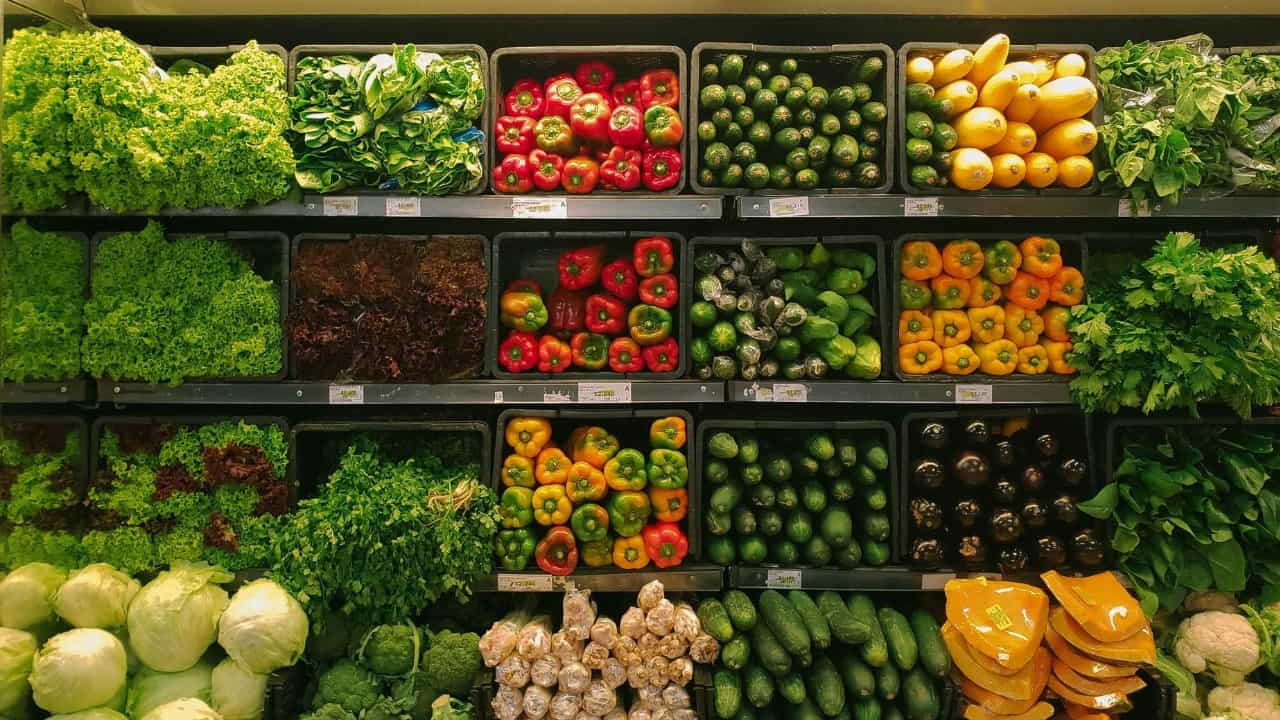 There are many vegan and vegetarian-friendly groceries and supermarkets available in Australia. All the major supermarkets in Australia have products meeting the needs of vegans and vegetarians. You can easily find a substitute for any food item. Almond milk, tofu, vegan burger, vegan tacos, and even vegetarian sushi.
 Although, we suggest you check more restaurants and eating places for vegans and vegetarians in your city using one of the apps or websites mentioned above. Here, we are giving a list of popular food chains that you can find vegan or vegetarian food (pretty much) throughout Australia. Most of these restaurants can be found in all major metro and regional cities.