On 20th of July 2020, Alan Tudge, the acting minister for immigration and Dan Tehan, the education minister in Australia released a joint press statement that included the five major changes that they are making to student visas.
Following upon that announcement to the student visa changes, there is a further update on the free student applications for international students.
In this article, we are going to discuss:
✅ What is free student visa application?
✅ Who is eligible for this visa?
✅ How to apply for this visa?
✅ Other Student Visa Updates
What is free student visa application?
This free visa application is one of the major changes announced by Australian Government couple of weeks again.
Australian Government has decided to waive the visa application fee to allow international students to lodge a further student visa application to complete their study.
Basically, students who have been unable to complete the study due to COVID-19 pandemic, will be able to apply for a new student visa at no extra cost, to help them complete their study.
It is a very good initiative by Australian Government and finally some much needed relief for international students.
Who is eligible for this visa application?
There are few requirements to meet in order to be eligible for this visa application:
You must have held a valid student visa on or after 1st feb 2020
You were unable to complete your study due to Covid 19 pandemic
This waiver of the fee will be available to new student visa applications made after midnight 5th August 2020.
Please note: if you didn’t meet these requirements, then you are ineligible to apply for this free visa.
Also, it will only be available to the new visa application and no refunds will be issued to the applications made before 5th August
How to apply for this visa?
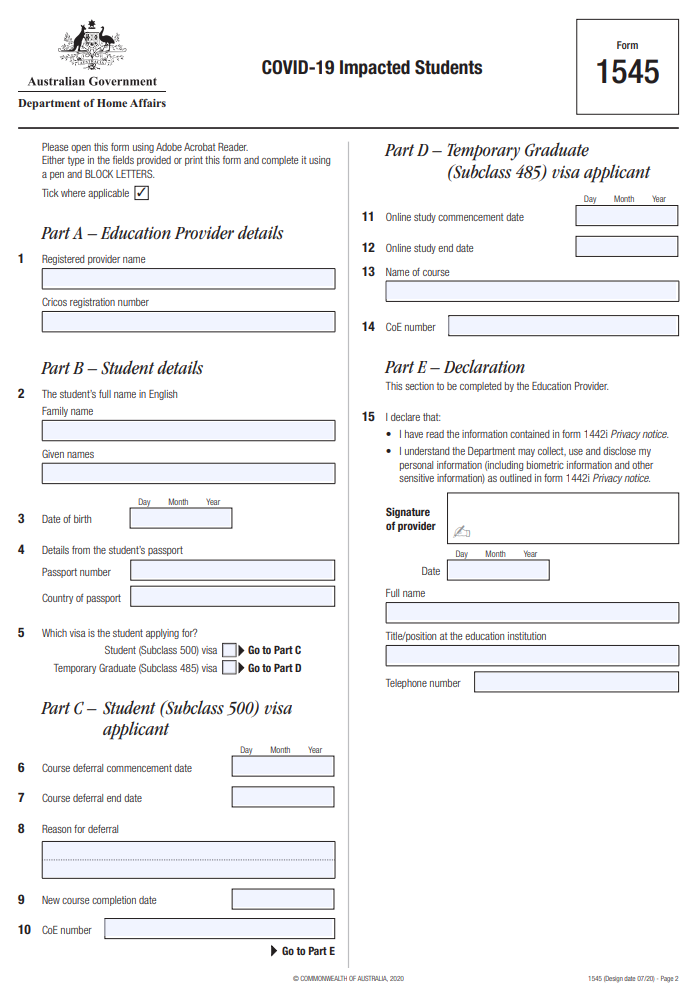
In order to get this student visa fee waiver, you will need to apply your student visa and you have to provide an additional form which is to be completed by your education provider.
Please note that this form needs to be completed and signed by your education provider.
You will be required to submit this form along with your student visa application.
You must apply for this visa online. You can be in or outside Australia when you apply.
If you are ineligible for this visa waiver or fail to submit this form along with your student visa application, then your application could be invalidated and you would be required to submit the new visa application.
Other updates:
In addition to the student visa fee waiver, there were 4 other major announcements, that includes::
👉 Australian government will recommence granting international students visas who are offshore. So this basically means when the borders are reopened international students who already have got their visas sorted they will be able to make arrangements to travel to Australia
👉 Online study undertaken outside Australia as a result of COVID-19 travel restrictions will count towards the Australian Study Requirement for existing and new student visa holders.
👉 Graduates affected by COVID-19 travel restrictions will be able to apply for and be granted a Temporary Graduate visa outside Australia (where they have met all the requirements)
👉 Flexible time-frame to be given to the international students to provide further information for the visa applications. So additional time will be given for applicants to provide English language test results, biometric information and health checks.
For more details on these changes, please check the Department of Home Affairs here.
Again, if you are in a doubt with your specific situation, then we suggest you to check with a registered migration agent for that.
As a student, every single dollar counts and saving money is the way to go in student life. So we complied a list of student discounts in Australia that will have to save money on your essentials and other activities.
Here is a list of various retailers, food outlets and other organisations giving student discounts in Australia. At the moment, there are 30 on the list, with more being added regularly. Before we get started though, here is a shameless plug from us:
OSA ISIC Card
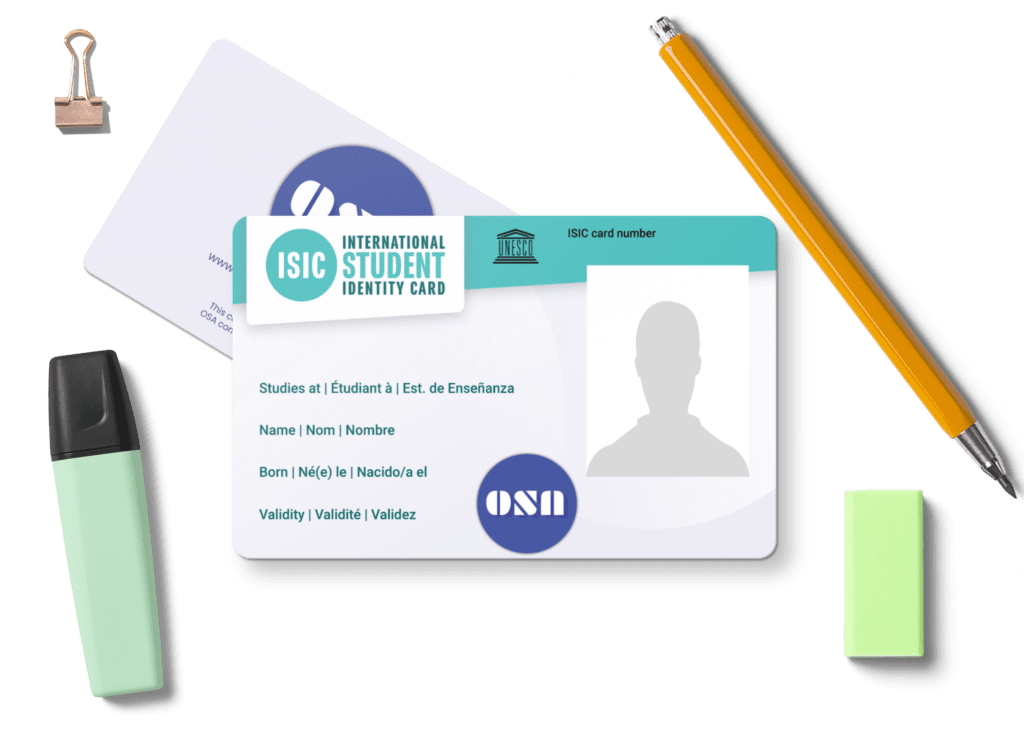
The OSA International Student Identity Card (ISIC) allows students to get over 150,000 discounts on shopping, travel, and entertainment worldwide. A one-year ISIC virtual membership costs $30AUD but as we love you so much (you know we do, right? 😉 ) so we have got a better deal for you.
Our OSA ISIC costs $36 $29.90 (cheaper than original ISIC Card) and it includes ISIC Extra’s ( which is usually $11 extra). So for less than $2.50 per month, you will get to access standard ISIC deals but additionally, you will get student discounts on your favourite stores like JB Hi-Fi, McDonald’s, Coles, Pizza Hut, KFC and thousands of takeaway and dining options in Australia.
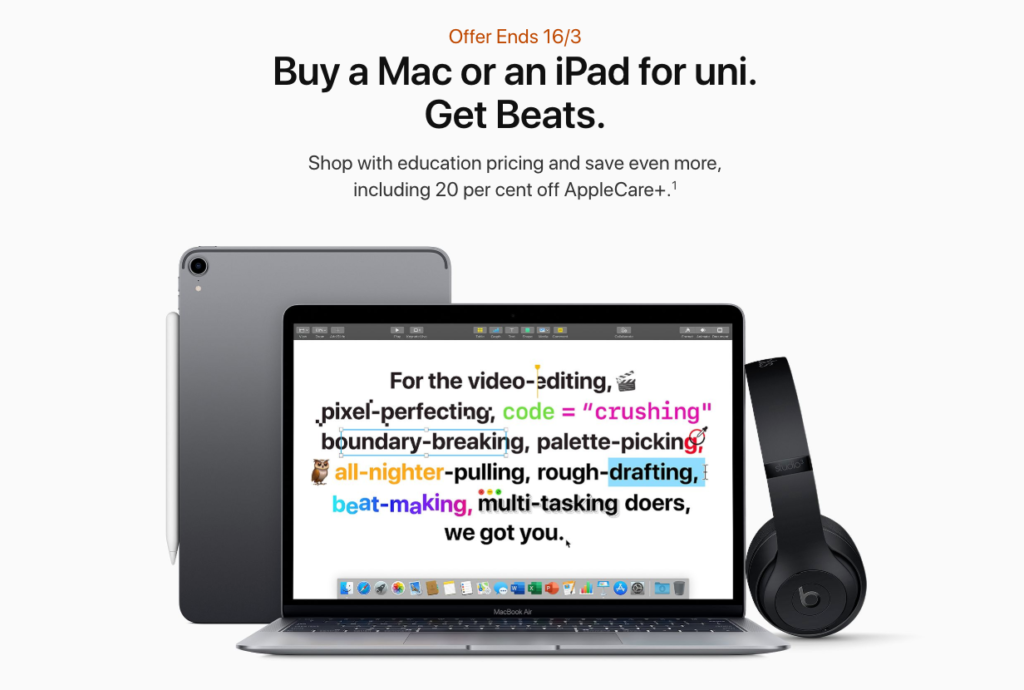
Apple is one of the most popular tech companies among students in Australia and they do have educational pricing (student discounts) available for students in Australia on most of their popular products like Macbooks, IMac, Ipad and iPhone etc.
Keep an eye on Apple’s special student offer at the start of the uni year, when they offer free headphones when buying a mac or ipad. We have covered the step by step guide on how you can save money on buying Apple products as a student here. (We are sure you will love reading ways to save more money on Apple products there).
2. JB Hi-Fi Student Discount
JB Hi-Fi is one of the most popular electronics store in Australia. They have a dedicated portal on their website for student discounts where you can select the discounted offers and range of other offers for laptops, phones etc. If just want to see all the deal available, then you can click here for that.
Btw, OSA ISIC members get 5% discount on their JB Hi-Fi gift cards. Check here.
3. Amazon Student Discount
In UK, US and some other countries, Amazon has a very generous student offer that include 6 month free trail and further 50% after the trail ends. But at the moment, there is no student discount for the prime membership for students in Australia. We will keep you up to date once the discount is available in Australia. You can check prime membership in Australia here.
4. Officeworks Student Discount
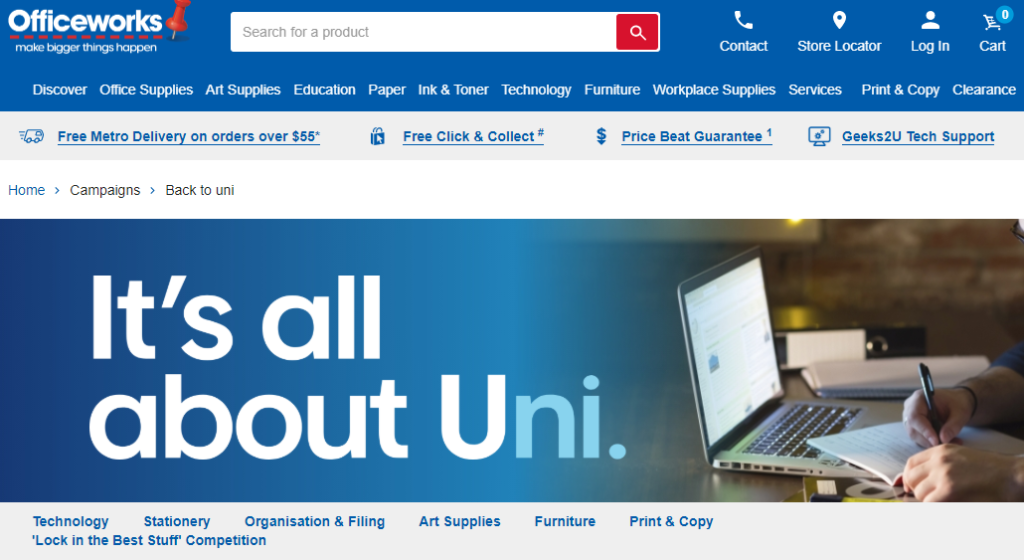
Officeworks provides low prices for all the study and work related stationary, furniture, electronics and pretty much everything you need for work and study. They also run special students discounts using their Back to school or Back to uni campaigns. You can check the all the student discounts and offers here.
5. Harvey Norman Student Discount
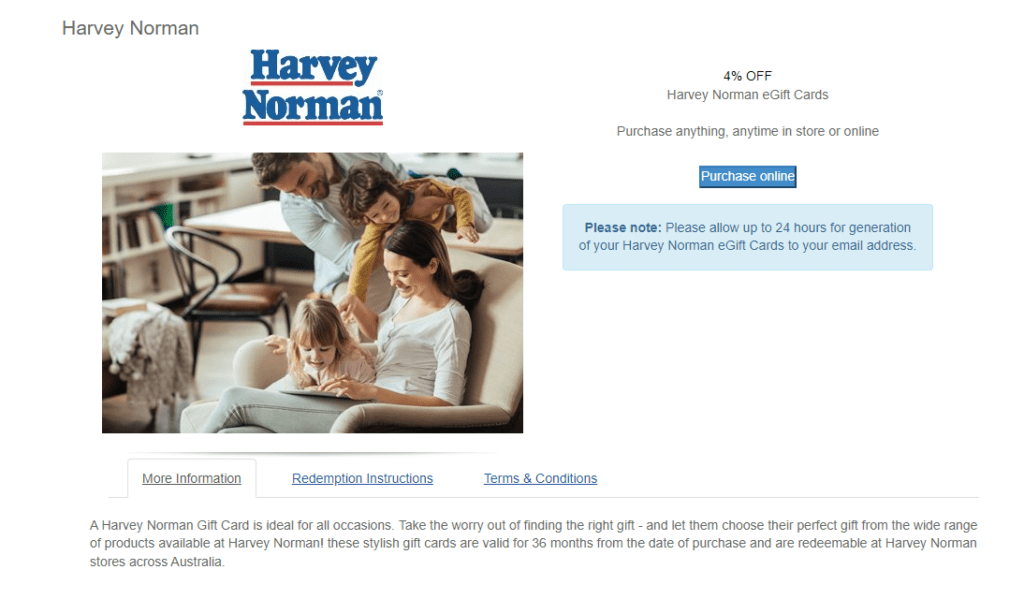
Another popular store for your electronics needs as a student is Harvey Norman. They also run promotions for student discounts at the start of the each school and uni semesters. So keep an eye on the special deals. You can visit the dedicated portal for students on their website.
You can further save money by stacking 4% off Harvey Norman eGift Cards if you become OSA ISIC member.
6. Lenovo Student Discount
Lenovo has great deals on student discounts. At times, the student discount can be up to 50% off the retail prices that includes laptops, desktops and accessories. You can check the Lenovo student discount on Lenovo’s website.
7. HP Student Discount
Another popular brand for the students and they have range of electronics on special deals and offers for the students using their dedicated education store here. You must have an edu email to access the student offers.
8. DJI Student Discount
We have a dedicated student discount for DJI products on our website. Get a 10% off on Mavic Mini and other DJI products here.
9. eBay Student Discount
EBay is known worldwide for their lowest prices but from time to time they also launch the exclusive discount codes for the students, where you can save further 10% to 15% off the items purchased on their platform.
10. Catch.com.au Student Discount
One of the biggest online retailers in Australia, catch.com.au sell everything you need, from electronics to groceries, and you can now save up to 15% when you signup here.
11. Huawei Student Discount
Huawei provides latest gadgets like smartphones, wearables, laptops and accessories at very competitive price. For a limited time, you can score up to 15% on various products using this here.
Fashion
12 Iconic Student Discount
Iconic is Australia’s favorite online fashion retailer. They offer a range of fashion clothing and accessories that suit the taste of students. They offer various student offers with up to 50% off regular prices here.
13. Boohoo Student Discount
Boohoo is a popular female fashion retailer with focus on youth fashion apparel and accessories. Unlock 55% off on dresses and shoes by clicking here.
14. Valleygirl Student Discount
Valleygirl focus on the newest trends, styles and looks you see on the catwalks and fashion magazines for the girls and the ladies. Save up to further 10% on your orders at Valleygirl. Check the Student Beans website for details.
15. Specsavers Student Discount
If you need contact lenses or glasses, then look no further than Specsavers. Unlock $100 off Glasses when you buy one pair from the $199 range and above at Specsavers.
You can also get 10% off on your contact lenses as well by clicking here.
16. Temt Student Discount
TEMT offers modern style for fashion savvy young women who value cutting edge design and know what they want. Unlock 10% student discount at TEMT by checking them on Student Beans website.
17. yd. Student Discount
yd. offer trendy, stylish yet affordable clothing for men. So if you are after a casualwear for parties or a formal dress for a work look no further than this popular youth brand in Australia. Get up to 75% off + additional 10% student discount when shopping at yd. through Student Beans.
Phone Plans
18. Telstra Student Discount
Telstra is considered to be the best phone networkin Australia. Telstra offer up to 10% student discount visa their website here. You must have a edu.au email address to access their student discount.
17. Optus Student Discount
Optus gives 10% off to the students via their students hub. You will need to validate your email and choose a plan using the link given above for exclusive student discounts and offers.
18. Vodafone Student Discount
Vodafone is very famous among student community in Australia due to it’s low prices and roaming offers. Vodafone offers not only discounts to the student on their sim plan but roaming and unlimited data pack options as well. Check them out here.
Entertainment
19. Hoyts Student Discount
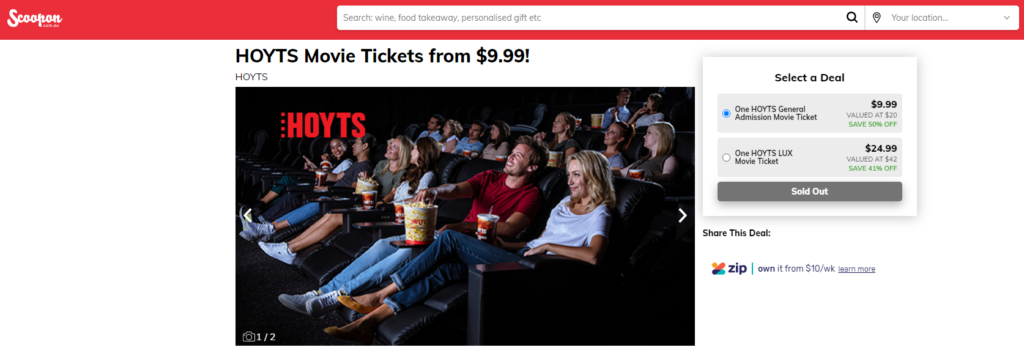
Hoyts does not specifically provide discount to student anymore but from time to time they offer a generous discount on various websites like Scoopon and Groupon.
You can also get a $12.50 Hoyts standard tickets if you are using Optusperks app. Check more details here.
Hoyts has also introduced a single ticket pricing (one ticket price for all ages) and saver/super saver sessions that run 7 days a week than just Super Tuesdays.
If you are OSA ISIC member, then you can get $14.50 adult tickets and $11.50 child tickets here.
20. Village Cinema Student Discount
Like Hoyts Cinema’s, there are no student discounts available for students at Village Cinema’s as well but you can always use the Vrewards program and get a discounted tickets.
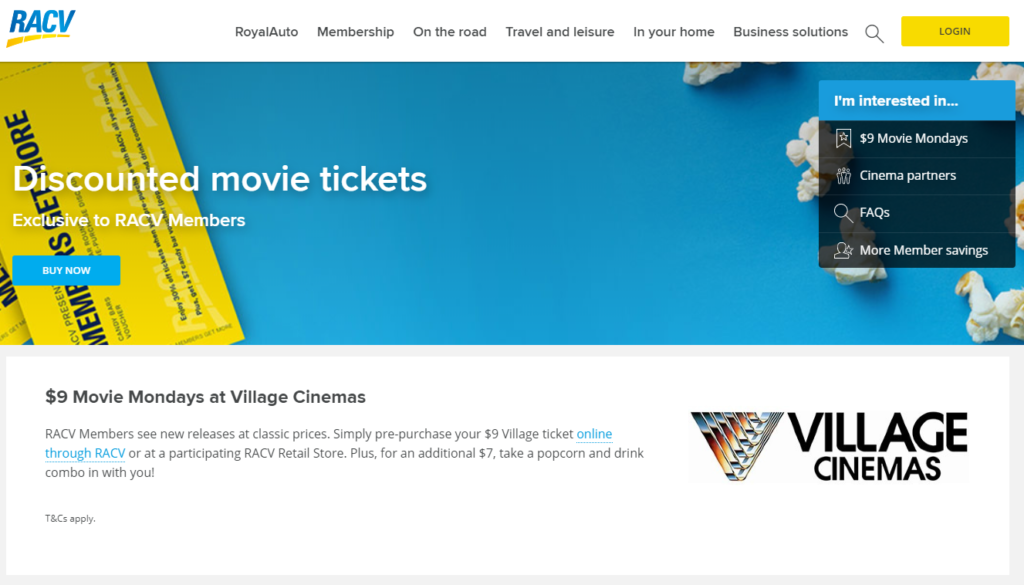
Also, if you are member of some organisations like RACV, then you can get the standard tickets starting at $9 per session for standard tickets
OSA ISIC members get a discount on Village Cinema tickets also. Adult tickets from $15.50
21. Strike Student Discount
Looking for some indoor fun with mates? Head to Strike and get a student discount with $8 bowling sessions from Monday to Thursday before 5pm here.
Strike offers various fun activities from bowling to laser tag, karaoke to Exitus escape rooms – there’s no shortage of fun at Strike’s 14 venues across Australia.
If you would like to get one complimentary FULL PRICED GAME (including shoe rental) for up to FOUR PEOPLE when another FULL PRICED GAME of equal or greater value is purchased, then OSA ISIC card is your best friend. Check the details here.
22. Holey Moley Mini Golf Student Discount
Holey Moley Golf Club – a cocktail bar, mini-golf course, work of art and all-out cool hub rolled into one brilliant venue. Get a $9 mini golf anytime before 5 pm from Monday to Thursday here.
Travel
23. OSA Students Flights & Hotels Discounts
Travelling is one the most popular activity among students. Whether, you are planning to travel interstate within Australia or overseas or just want to go back, we have got your back for that.
Check the latest discounts, offers and deals for student flights, hotels and car rentals from our website here.
24. Flight Centre
Get 10% off your selected airlines and travel with Flight Centre.
Make sure to grab your OSA ISIC card to access this special discount here.
Subscriptions
25. Spotify Student Discount
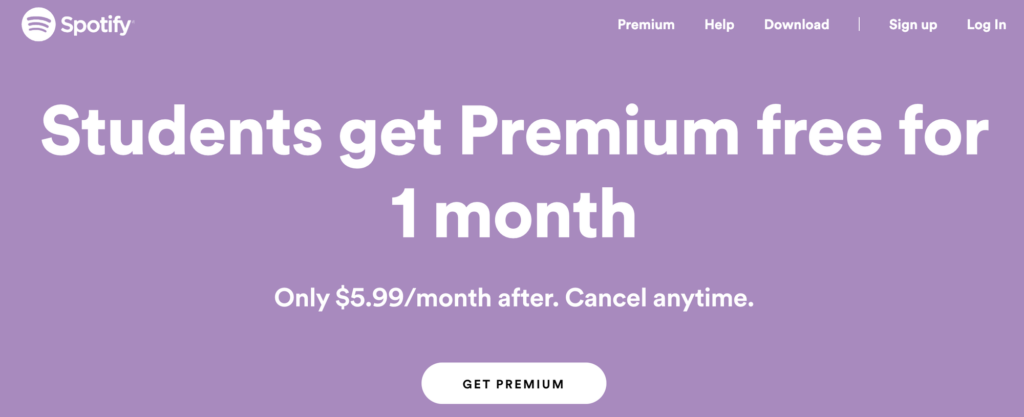
Spotify offer 1 month free trail to students and then a premium account for a discounted rates at $5.99 per month. You can access this offer from Spotify here.
26. Apple Music Student Discount
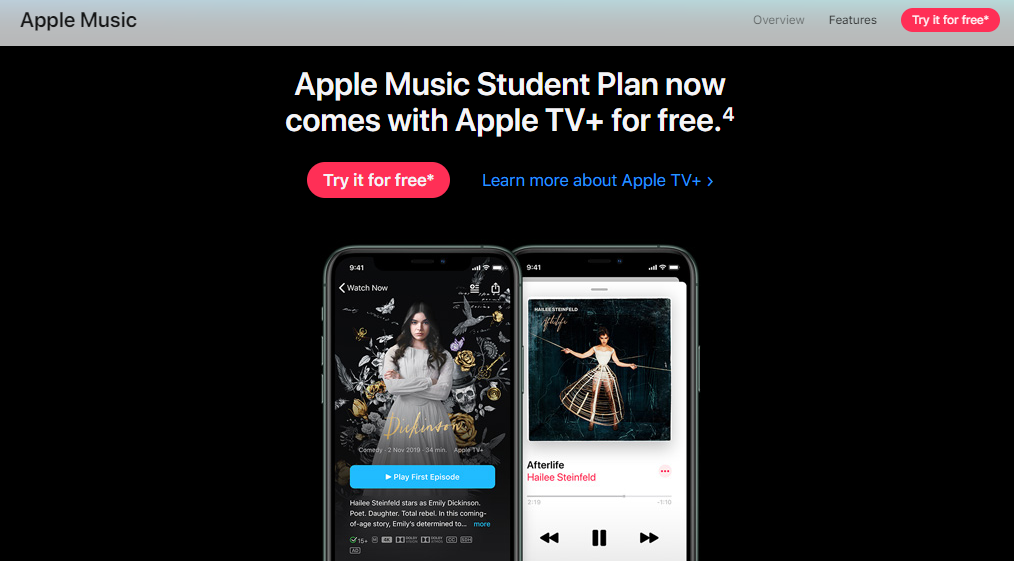
Apple has announced a free Apple TV+ plan with any Apple Music Student Plan along with 3 months trail and discounted offer at $5.99 per month. More details are here.
Food
27. Dominos Student Discount
Dominos Pizza needs no introduction, especially when you are a student. Their pizza’s are famous for any catch up with friends. Dominos offer generous discounts to students , you can get up to 33% off your orders when signing up here.
28. Grill’d Student Discount
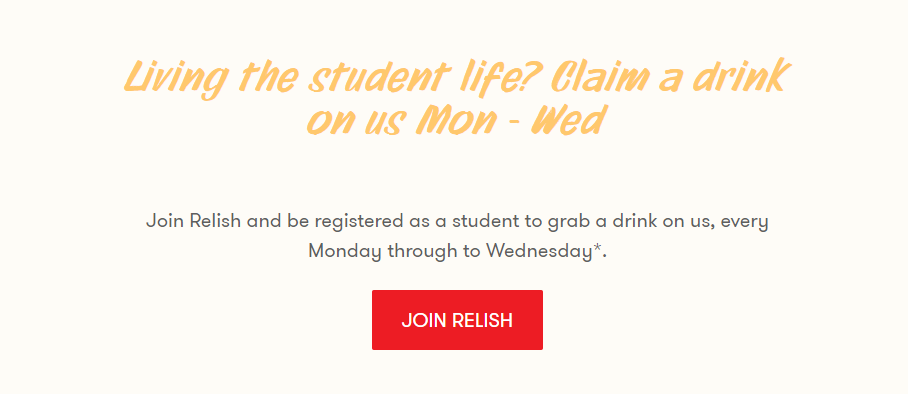
Grill’d Burgers offer a free drink for students between Monday to Wednesday. You will need to join their reward program to get the Free drink here. They also give free chips after second visit, free drink after your 5th visit and your birthday for joining the relish reward program.
29. Uber Eats Student Discount
Uber Eats is probably one of the most favorite app for students in Australia to order food. Luckily, Uber Eats offer discount when you signup using the existing code/s from the current users. Get $10 off your first Uber Eats order of $20 or more using the link here.
If you want to drive with Uber Eats, then you can sign up here.
30. McDonald’s Student Discount
Some of the best student discounts can be found in McDonald’s app.
But if you want to get a one complimentary CHEESEBURGER when another CHEESEBURGER of equal or greater value is purchased, then check the deal here. (It goes without saying that it is a part of OSA ISIC Card).
31. KFC Student Discount
KFC launches various coupons during the year.
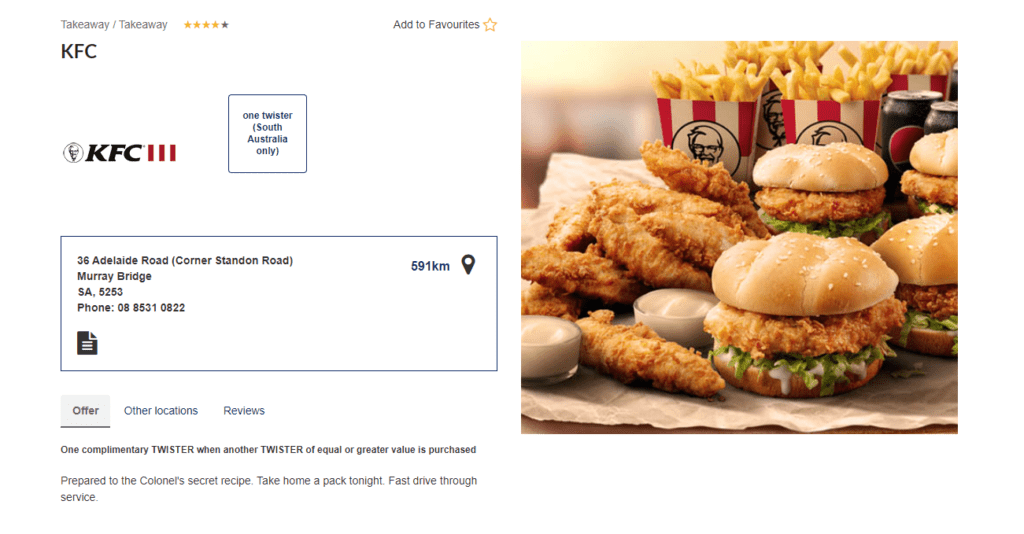
But our OSA ISIC card covers different KFC offers for various cities in Australia. For example, students in South Australia can get One complimentary TWISTER when another TWISTER of equal or greater value is purchased, One complimentary ORIGINAL RECIPE BURGER when another ORIGINAL RECIPE BURGER of equal or greater value is purchased and last but not the least One complimentary KRUSHER when another KRUSHER of equal or greater value is purchased. Details here.
But students in ACT, VIC and TAS gets the following KFC offer: One Complimentary upsize when any Burger Combo, Kentucky Nugget Combo, Original Tenderloins Combo or Twister Combo is purchased. Details here.
Softwares and cloud services
32. Microsoft Office 365
Students and educators at eligible institutions can sign up for Office 365 Education for free, including Word, Excel, PowerPoint, OneNote, and now Microsoft Teams, plus additional classroom tools. Use your valid school email address to get started today here. Make sure your educational institute is eligible for this free access.
33. GitHub Student Developer Pack
This pack gives access to 12 months of free access to GitHub Pro, Partner offers (like 12 months Free Canva Pro + more) and GitHub Campus Expert training for qualified applicants. Check out the pack here.
34. Notion
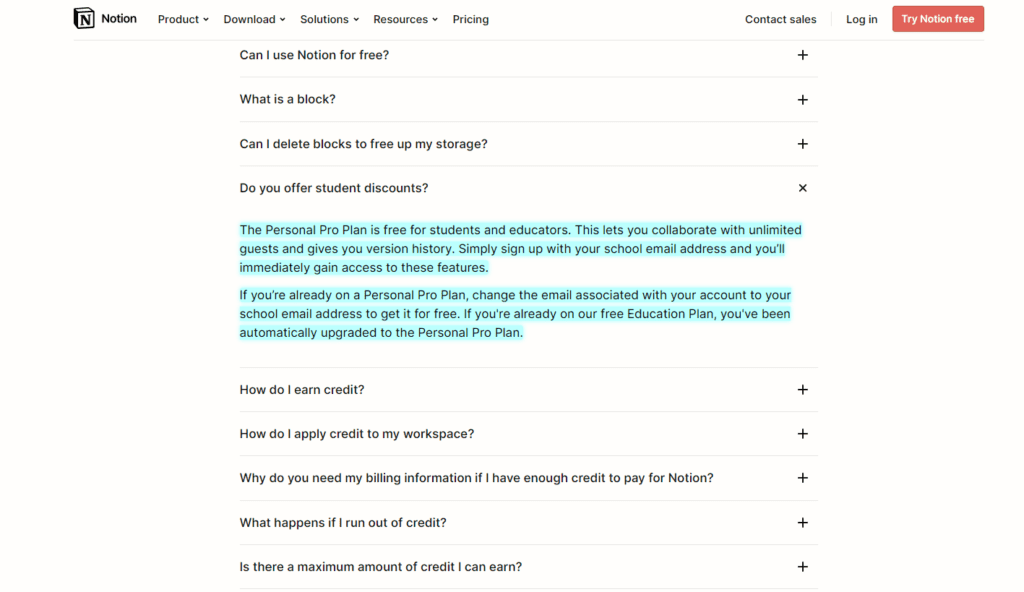
Notion offers a free Personal Pro Plan for students and educators. This lets you collaborate with unlimited guests and gives you version history. Sign up with your school email address here.
35. JetBrains
Free Educational Licenses for students and educators. The license may be renewed free of charge as long as you are a student or a teacher. Apply here.
36. Other Student Discounts
There are many more discounts on items like health and fitness, fashion, tech, entertainment, food and travel, you can access through OSA ISIC Card. Get your card on overseasstudentsaustralia.com
So these are the top student discounts in Australia for international students. Which one are you looking for? We look forward to your comments below.
If you want to save more money as a student in Australia, then you will definitely want to read on for these 60+ amazing saving tips here.
An International Student’s life in Australia is not a walk in the park.
As students have to juggle between their study, work and other aspects of life by themselves.
And add taxes on top of that, makes things very interesting to say the least.
So, we are here to make one aspect of life easier by giving the ultimate guide to tax returns for international students in Australia.
Let’s get started.
Important Disclaimer: This information is general in nature and does not constitute any financial advice. If you have specific questions about your tax return, we highly recommend seeking help from a registered taxation agent.
⏱️ What are some basics of Taxes in Australia?
Before we get started, it is important to understand some basic acronyms related to taxes in Australia.
ATO – AustralianTaxation Office
TFN – Tax File Number
ABN – Australian Business Number
BAS – Business Activity Statement
GST – Goods and Services Tax
PAYG – Pay As You Go
Want to know more acronyms that are commonly used in Australia? Check our article here.
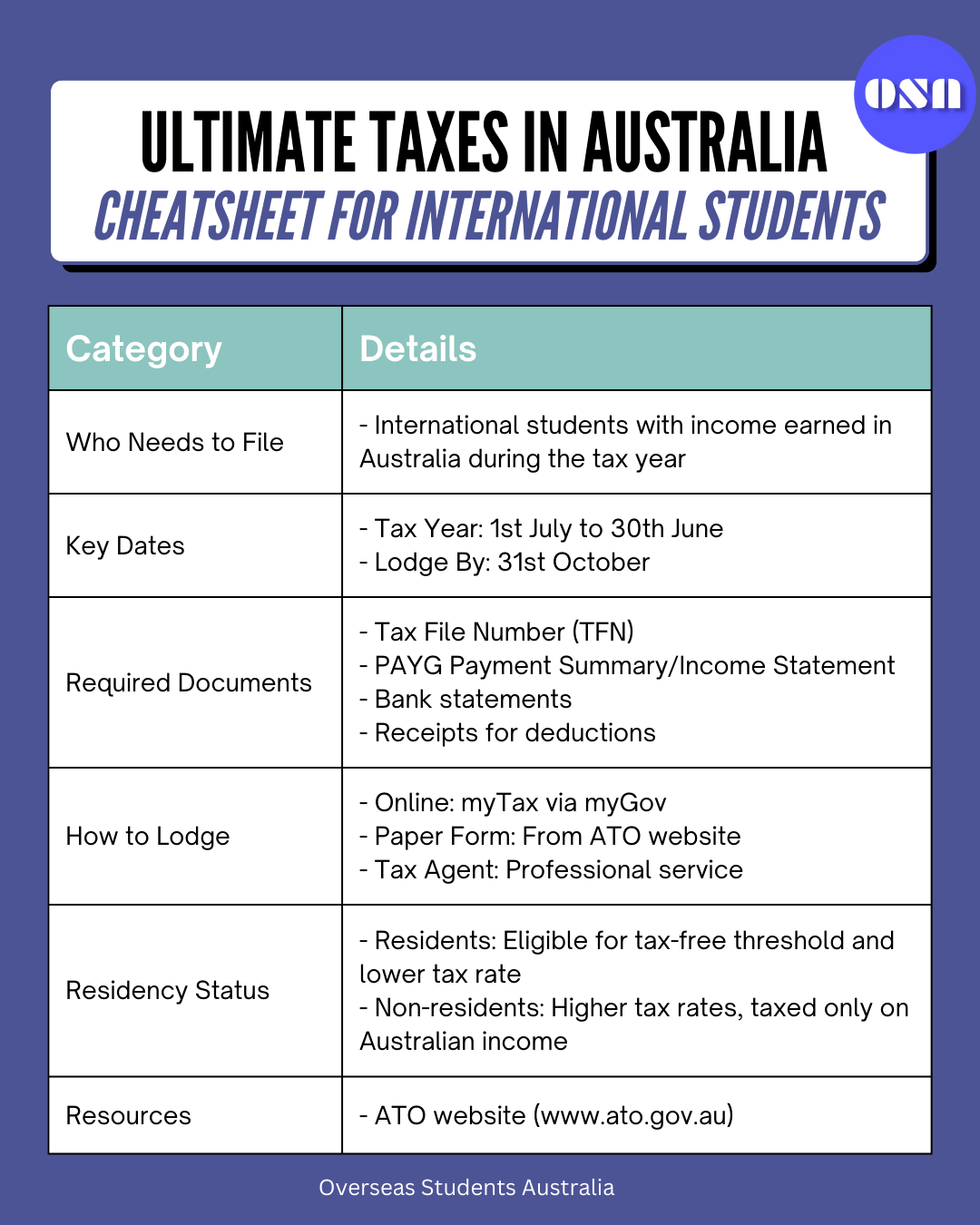
It is also very important to know that Australia’s financial year starts on 1st July and ends on 30th June each year.
After 30th June, individuals and businesses need to file their tax returns reporting their income and deductions.
The last day of filing your own taxes is 31st October. However, if you are filing your taxes with a registered taxation agent, then you can file it until 15th May next year.
Here is a quick cheatsheet for the basics of taxes in Australia:
💸 What is a difference between working on TFN vs ABN for tax purposes?
If you are going to work in Australia, chances are that you will be using either TFN (Tax File Number) or ABN (Australian Business Number) or both.
The arrangements for working on ABN and TFN are quite different, and their tax implications are different as well.
Here are some differences for tax purposes between Working on TFN vs ABN:
TFN
ABN
You work as an employee
You work as a business or contractor or partner
Your income is considered as an employment income.
Your income is considered as business income
You get a payslip
You issue an invoice
Your employer will withhold taxes from your salary
You need to manage your own taxes with applicable BAS, PAYG and GST arrangements
If you want to know other differences between ABN and TFN, then check this article.
What is the difference between Resident vs Non-Resident for Tax Purposes?
It is also critical to understand your residency status in Australia.
As the amount of taxes you pay will on your income will depend on whether you are considered as a resident or non-resident in Australia.
In short, as a non-resident for tax purposes in Australia, you pay higher taxes.
To be a resident for tax purposes, you must have lived or intend to live in Australia for at least 6 months continuously or met the requirements mentioned below.
🧑🎓 Are international students considered foreign or Australian residents for tax purposes?
Luckily, if you are an international student who has come to study in Australia for a course longer than 6 months, then you are considered as a resident for tax purposes.
It means you are paying the same amount of taxes as local Australians. Also, you get benefits of claiming tax-free thresholds, tax offsets and lower tax rates.
However, if your course is shorter than 6 months, and you intend to leave before 6 months, then you will be considered as a non-resident. It means you will be higher amount of taxes in that case.
You can check the difference between the taxes that residents and non-residents have to pay in Australia in the tax tables below.
That’s why it is important to complete your tax withholding form correctly when you get a new job in Australia. You can check this video here for details to avoid mistakes when filling out the TFN Witholding form here.
You can check details about residency status on the ATO’s website.
You can check more details on international students on the ATO’s website.
🤑 Do I need to report my income from my home country?
As an international student in Australia, you are regarded as a temporary resident, so you don’t need to report most of your income you earn overseas, and you will not be taxed on it.
You will only need to report any income you earn in Australia plus any income you earn from employment performed overseas for short periods while you are a temporary resident of Australia.
💻 Do I need to lodge a tax return?
There are 3 most common scenarios for answering this question:
1️⃣ You must lodge a tax return if you have worked a part-time job in Australia and you have earned more than the tax-free threshold ($18,200) during the financial year.
2️⃣ If you haven’t earned more than the tax-free threshold but paid some taxes, then you should lodge a tax return for getting a refund for the taxes paid.
3️⃣ If you haven’t earned more than the tax-free threshold, and you didn’t pay any taxes, you may not need to lodge a tax return but you may still need to advise ATO (Australian Taxation Office) about the non-lodgment.
It is lodged to let the ATO know that you don’t need to lodge the tax return for this year. You will need to complete non-lodgment advice which can be done online through a myGov account.
You can also check a tool on ATO’s website for finding out if you need to lodge a tax return or not.
📅 What is the last date to lodge a tax return in Australia?
The last date of lodging the tax return in Australia is 31st October.
If you are doing your own tax return, you will need to complete and lodge it any time between 1st July to 31st October.
However, registered tax agents have a special lodgment program and can lodge the tax return even after the 31st October deadline as well.
📃 What do I need to file my tax return?
In order to lodge your tax return to Australia as an international student, you will need few things:
✅ TFN – You need to have your tax file number to file your taxes.
✅ ABN – If you worked as a contractor, then you need an Australian Business Number.
✅ Payment Summaries – These summaries are usually issued by your employer at the end of the financial year for all the income you earned and taxes withheld from it. These days you may not get these summaries as employers provide the information directly to ATO. So when you lodge your own taxes or with a tax agent, then it appears automatically in the income section.
✅ Invoices – If you issued any invoices for your business, then you need to have them ready.
✅ Receipts, Invoices – If you have any work-related expenses that you are going to claim in your tax return, you will need them.
✅ Photo ID – If you’re getting taxes done from an accountant, you will also need to bring some sort of ID like your passport or your driving license.
💵 What types of income are included in my tax return?
It is important that you report any taxable income that you earn during the financial year in your tax return. Some of the common types of income that international students report might include (but are not limited to):
👉 Wages and salaries from part-time jobs
👉 Income earned as a contractor
👉 Business income
👉 Bonus or commission earned
👉 Government payments / allowances
👉 Non-government scholarships, grants or awards
👉 Bank Interest
👉 Other investment incomes like shares, cryptocurrencies etc.
🧾 What type of expenses can I claim as a deduction?
You can claim your work-related expenses as a deduction in your tax return. Here are some examples of expenses that you might be able to claim in your taxes (but not limited to):
👉 Uniform and laundry expenses
👉 Travel between the jobs (not including commute from home)
👉 Work-related phone and internet expenses
👉 Home office expenses
👉 Cost of managing tax affairs (eg. tax accountant fee)
👉 Union fees
👉 Charitable donations
It is very important that you keep records like receipts, invoices etc. of all the expenses you make during the year. If you don’t keep the appropriate records to substantiate your claims, then you can face penalties if you get audited by the taxation office.
🩺 Do I need to pay a Medicare levy?
The Medicare levy helps fund some of the costs of Australia’s public health system known as Medicare. The Medicare levy is 2% of your taxable income, in addition to the tax you pay on your taxable income.
As an international student, you don’t need to pay a Medicare levy as you are not entitled to Medicare benefits in Australia.
To get an exemption from paying Medicare levy, you will need to apply for a Medicare Entitlement Statement from Services Australia here. This statement will tell you the period you were ineligible for Medicare.
It can take a few weeks to get this statement, so we suggest you apply for this nice and early.
🤔 How are the taxes calculated?
Your income tax you need to pay will be based on how much income you earn in a financial year.
Australia uses a progressive tax system, which means the more you earn, the more taxes you pay.
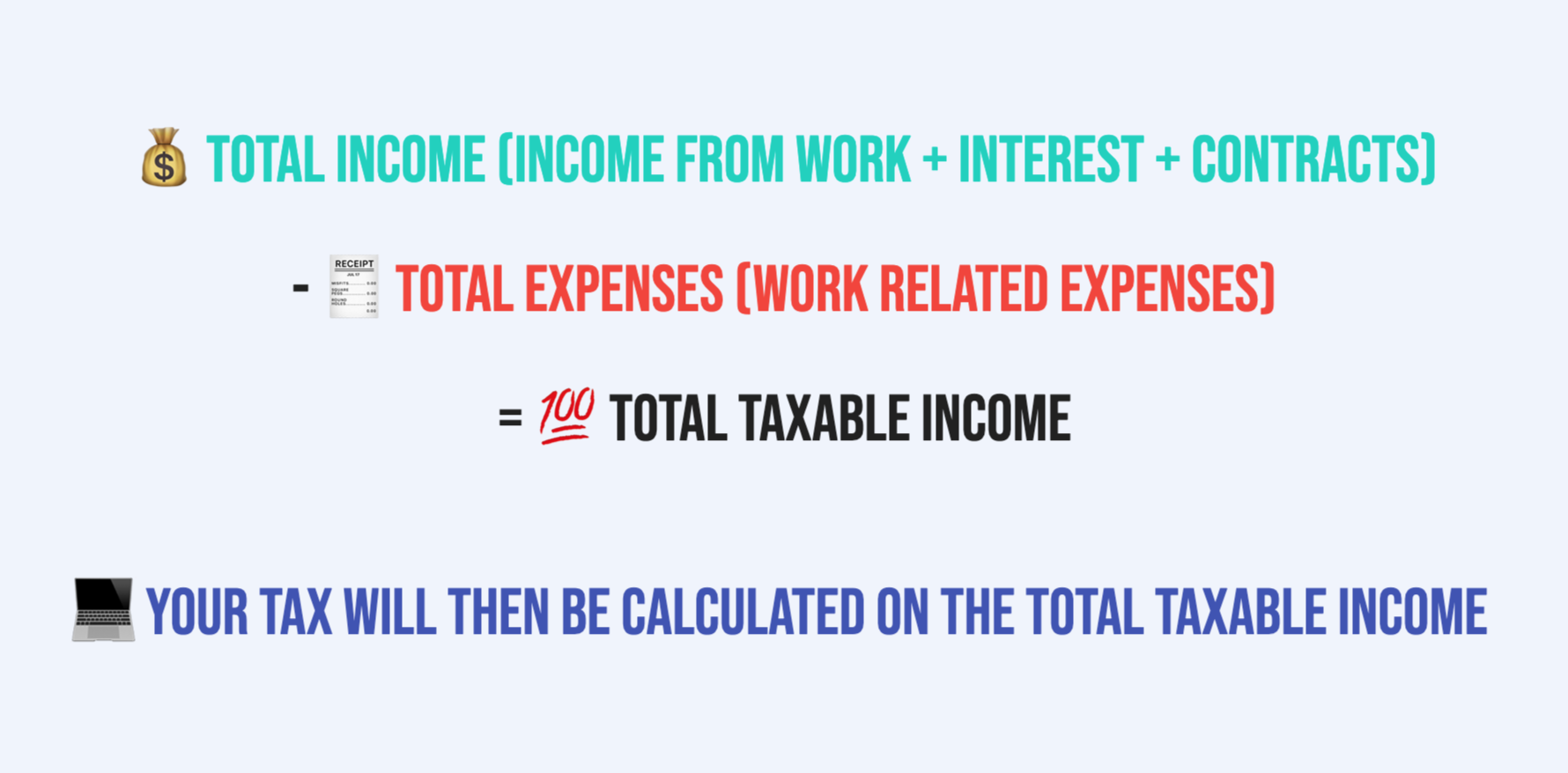
In order to calculate your taxes, you need to use a very simple formula:
Income from all sources (like salary, business, interest, investments)
Minus work deduction (like work related expenses for car, mobile, uniform, home office etc.)
Equal to taxable income
Income – deductions = taxable income
Based on your taxable income, you might be liable for medical levy (which is 2% of taxable income).
As many international students are not entitled to medicare in Australia, they don’t have to pay the medicare levy.
But they need to apply for a Medicare levy exemption certificate from Services Australia before filing their tax returns.You can apply for it from here.
As mentioned earlier, Australia uses a progressive taxation system, which means higher income earners get taxed at higher rates.
Check the tax table below to see how much tax residents have to pay in Australia based on their income.
Resident Tax Table 2024-25
Taxable Income
Tax On This Income
0 to $18,200
Nil
$18,201 to $45,000
16c for each $1 over $18,200
$45,001 to $135,000
$4,288 plus 30c for each $1 over $45,000
$135,001 to $190,000
$31,288 plus 37c for each $1 over $120,000
$190,001 and over
$51,638 plus 45c for each $1 over $190,000
The above rates do not include the Medicare levy of 2%.
Resident Tax Table 2023-24
Taxable Income
Tax On This Income
0 to $18,200
Nil
$18,201 to $45,000
19c for each $1 over $18,200
$45,001 to $120,000
$5,092 plus 32.5c for each $1 over $45,000
$120,001 to $180,000
$29,467 plus 37c for each $1 over $120,000
$180,001 and over
$ 51,667 plus 45c for each $1 over $180,000
The above rates do not include the Medicare levy of 2%.
Non-Resident Tax Table 2024-25
Taxable income
Tax on this income
$0 – $135,000
30c for each $1
$135,001 – $190,000
$40,500 + 37c for each $1 over $120,000
$190,001 and over
$60,850 + 45c for each $1 over $190,000
Non-Resident Tax Table 2023-24
Taxable income
Tax on this income
$0 – $120,000
32.5c for each $1
$120,001 – $180,000
$39,000 + 37c for each $1 over $120,000
$180,001 and over
$61,200 + 45c for each $1 over $180,000
You can check all the current and previous tax tables here.
You can get more information from the ATO’s resources in various languages here.
Any example for calculating taxes in Australia?
Finding it complicated?
Let’s explain it with an example:
We are using the following tax rates and thresholds for calculating the tax in these scenarios below:
0% tax on income up to $18,200
19% tax on income between $18,201 and $45,000
$5,092 + 32.5% tax on income between $45,001 and $120,000
Scenario 1:
John is an international student (resident for tax purposes) who earned $17,000 in the current financial year.
As his income is below the $18,200 threshold, his estimated tax will be $0.
Scenario 2:
Same John has a taxable income of $33,000 in a financial year, his estimated tax will be $2,812.00
It is because the first $18,200 is tax-free and then for the rest of $14,800 ($33,000 – $18,200)
He will be paying $14,800 x 19% (19c) = $2812.00
Scenario 3:
John earned a taxable income of $55,000 in a financial year; his estimated tax will be $8,342.00.
Please note that these are estimated numbers only, and do not include any medicare levy and/or offset John might be eligible for.
You can file the tax return at the end of the financial year. Usually, your employer will provide you with a payment summary (PAYG summary) that will summarise all the income you have earned during the year and tax deducted from your salary.
You will use this document to lodge your taxes. Sometimes, this information is also pre-filled in myTax already.
After you lodge your tax return, the ATO will review the information, process your tax return and send you a notice of assessment. If you are entitled to a tax refund, they will also send that to you.
There are various methods of lodging your tax return:
1️⃣ DIY (Do it yourself)
You can file your own tax return using My Gov account. It is free to do it and if your tax return is not complicated, then you could choose to do it yourself.
We have a complete video on how to lodge your tax return yourself with an example below.
2️⃣ ATO Tax Help Program
You can also use the ATO’s Tax help program, which runs during the tax season. You need to meet some condition in order to be eligible for this program. Check the eligibility requirements below. More details on the program here.
3️⃣ Registered Tax Agents
If you are unable to lodge the taxes yourself or your tax return is complicated with ABN income etc., then you might choose to use the services of registered tax agent in Australia.
You need to make sure that you bring along all the required documents (discussed below) in order to help them lodge your tax return.
The registered taxation agent not only helps you in lodging your tax return but also helps to work out the best work deductions you can claim to maximise your tax refund.
Check the step-by-step guide on how to lodge your taxes as an international student below:
⏳ How long does it take to get a tax refund back?
Usually, the ATO is very quick with the turnaround of your tax return.
Usually, you can expect to get your tax refund back in your bank within 2 weeks of lodging your tax return online.
If you lodged your tax return using a paper return, then it can take up to 10 weeks to get your refund back.
Please keep in mind, if ATO has some suspicion for the tax return lodged, it may take even few months to process it.
💻 What is the easiest way to lodge the tax return in Australia?
It depends!
If you are comfortable doing the tax return yourself, then lodging the tax return using myTax through My Gov account is the easiest way to go.
However, if your tax return is complex, and you don’t want hassle to lodge the tax return yourself, then seeking professional advice might be the easiest way to lodge your tax return.
🛑 What happens if I don’t lodge my tax return?
If you have earned taxable income, and you don’t lodge the tax return in time, then you can potentially face penalties, and it can also have an impact on your future visa applications.
ATO can even apply penalties even where there is no tax payable. So we highly recommend you lodge your taxes in time.
😀 Will I get all my taxes back?
Now there is a bit of misconception about this question in the international student community.
Many international students usually earn less than the tax-free threshold ($18,200) so they usually get all the taxes back during the year.
But, if your taxable income is more than the tax-free threshold ($18,200) in a year, you may not get all your tax back as you may need to pay some taxes based on the income you have earned.
In Australia, we have a progressive income tax system. This means that as you earn more money, you will need to pay more in taxes.
Any other useful tips when lodging a tax return in Australia?
Here are some quick tips if you are filing your tax return:
Keep a record of all your income and work-related expenses
Claim what are you entitled to for deductions
Don’t claim your personal expenses
Be aware of the changes coming in the tax season
Be patient after filing your taxes ATO try to issue a refund as quick as possible
Listen to the ATO assistant commissioner’s word in the video below.
ℹ️ Where can I get more help?
If you need further information regarding taxes or tax return, then you should check the ATO (Australian Taxation Office) website.
Also, to know more about taxes and superannuation, check our guide for that here.
We hope this guide about tax return for international students in Australia helps you in claiming your tax refunds back. All the best with your taxes.
What can I do after finishing my study in Australia? What are my options after graduation in Australia? These are some common questions that come in the mind of many international students in Australia who are nearly completing their study.
So in this article, we are going to explore 7 options after completing your graduation in Australia.
Option 1: Continue your further study in Australia
The first option for you is to continue your further studies. Many students after finishing their degree in Australia decide to continue their studies here. For example, you are completing your Bachelor Degree, then you can continue their Master’s Degree in Australia.
Obviously, students are already familiar with the Australian education system so it’s much easier for them to continue their further study.
Things you need to keep in mind before continuing your studies:
🟢 You may need to apply for a new student visa as your old student visa might be expiring. So if you need to apply for a new student visa application before the current visa expires.
🟢 You would also need to apply for the course that you would like to study. Even if you plan to study in the same institution or maybe if you want to study in a different institution or in a different city or state.
🟢 You may have to provide evidence for enough funds for your further studies.
🟢 You will also need to renew your OSHC (Overseas Students Health Cover) insurance.
If you don’t want to study further you can always look for other options.
Option 2: Travel around Australia
Australia is a beautiful country and if you like to have some confirmation for that, here is some proof of that.
https://www.instagram.com/p/CAFCmd2gSRN
So many international students after their graduation in Australia, like to take some break and travel around Australia. As most of the international students are quite busy while they are studying and working during their student visa, it’s a good idea to travel around and explore this country further.
International students can apply for a Visitor Visa (subclass 600) that allow them to stay up to a maximum of 12 months in Australia for travel purposes. Please note that you can not work on a tourist visa in Australia.
Option 3: Complete a professional year
If you have completed an accounting, engineering or IT related degree, then you can seek to obtain professional work experience. International students from these streams can apply for a professional year program.
This program can be really beneficial to learn how Australian workplaces operate and getting some work experience, which is a part of the program and can be further helpful in applying for your permanent residence
Additional 5 points can be claimed toward your permanent residence visa after successfully completing the professional year in Australia.
Option 4: Apply for a working holiday visa
If you are between the age of 18 to 30 years old and if you have a passport from one of the eligible countries you can apply for a work and holiday visa or a working holiday visa.
Working holiday visa can let you stay and work for 12 months and if you like, you can apply to extend it for a further 12 months. You must not be accompanied by dependent children. Check the list of eligible countries on Department of Home Affairs website.
This visa allows you to stay in Australia and work and travel at the same time. There are 2 different types of working holidays visas (subclass 417 & 462) available to apply for the people from eligible countries.
🟢 Working Holiday (subclass 417) visas are open to people who hold a passport from Belgium, Canada, Cyprus, Denmark, Estonia, Finland, France, Germany, Hong Kong, Republic of Ireland, Italy, Japan, Republic of Korea, Malta, Netherlands, Norway, Sweden, Taiwan or the United Kingdom.
🟢 Work and Holiday (subclass 462) visas are open to people who hold a passport from Argentina, Austria, Chile, China, Czech Republic, Hungary, Indonesia, Israel, Luxembourg, Malaysia, Peru Poland, Portugal, San Marino, Singapore, Slovak Republic, Slovenia, Spain, Thailand, Turkey, the United States, Uruguay or Vietnam.
Option 5: Apply for a temporary graduate visa
The next option is to apply for a temporary graduate visa (subclass 485). This visa allows international students who studied in Australia for at least 2 academic years to stay and work in Australia after finishing their studies.
This visa has two streams:
🟢 Graduate work stream – Graduate work stream allows students to gain valuable work experience and improve their English skills while they are working on their application for the skilled independent visa. It usually lasts for 18 months.
🟢 Post-study work stream – Post-study work stream is for those students who don’t want to stay in Australia permanently and would like to work after studying in Australia. This visa usually lasts from 2 to 4 years depending on the courses students have completed.
The duration of this visa will depend on your level of qualification:
🟢 Diploma or trade qualification – 18 months
🟢 Bachelor’s Degree (with or without Honours),
🟢 Master’s Degree by Coursework – 2 years
🟢 Master’s Degree by Research – 3 years
🟢 Doctoral Degree – 4 years
From November 2019, students who are planning to study in regional area universities will be eligible to access an additional 1 to 2 years in Australia on a post-study work visa. You can check more details on this here.
Option 6: Apply for a permanent visa
If your study was in the nominated skilled occupation list, then you might be eligible to apply for the Australian Government’s skilled migration program which could help you achieve permanent residence and citizenship in Australia.
One of the key benefits of studying in Australia is that it has a very attractive migration program and it gets millions of applicants every single year to meet its shortage in certain skills and areas.
Although, applying for permanent residency is not an easy task, so we suggest you check the Department of Home Affairs website for detailed information.
Also, if you are unsure about how you should proceed to apply for a permanent visa, then you should consider using the services of a registered migration agent for your visa application.
Option 7: Return back home
Last but not least you can always return back to your home country. If you don’t want to work in Australia or travel after your studies, then it’s time to pack up your bags, leave Australia and return back home.
Although it can be tough after living in Australia for so long to return back to your home country. Many international students succeeded in their career after returning back to their home countries as well.
If you are planning to move back to your home country, make sure to plan ahead and sell bulky items to avoid expensive shipping. You should also look into cancelling your utilities and paying off your bills before leaving. Also, make sure to join your institute’s Alumni to keep in touch with your fellow alumni.
So these were some of the options for international students after completing their studies in Australia. What are you planning to do after your graduation in Australia? We look forward to your comments below.
Disclaimer: Please note the information provided in this article is general guidance and does not constitute legal advice. Your circumstances could be different, so we suggest you consult a registered migration agent to discuss your situation for migration advice.
You’ll be needing and using a lot of things once you become a university student. Depending on the requirements set by your college and degree, you’ll have to bring an adhesive page marker, notebook, pen, calculator, and laptop. Some would even use a student planner and a flash drive.
You can bring all of these things with ease when you use a backpack during your stay at a university. A backpack is one of the top picks of almost every university student because it helps them stay organized, plus it’s convenient to carry and transport even for extended periods of time. What’s more is that it can help you be on-trend! But, with the number of backpacks available for university students today, do you know which to choose?

Listed below are some of the features every university student should look for when buying a backpack:
1. Wide, Padded Straps
You will put a lot of things in your backpack, which means that carrying it around for long periods can cause strain to your neck and back. Fortunately, choosing a backpack that has wide and padded straps can prevent this from happening. These straps will reduce the pressure from your neck and back, allowing you to carry your valuables with ease.
Backpacks with wide and padded straps can also provide added comfort, perfect if your classes will require you to walk from one building to another.
2. Compartments
As mentioned, you will need to invest in several items to excel and survive college. These items come in different sizes–your pens are small and light, while your notebooks are heavy and bulky. You might even have to carry fragile items, such as your laptop inside your backpack.
To ensure that none of your valuables are damaged as you’re carrying them, look for a backpack that comes with several compartments. The backpack you choose should have compartments for smaller items, such as your pens and keys, and larger items, like your notebooks. The more compartments the backpack has, the better.
Aside from taking care of your essentials, a backpack with several compartments will make it very easy for you to find items the moment you need them. You don’t want to miss out on taking notes during class just because you can’t find your pen inside your backpack, right?
3. Durable Material
You will be using your backpack for at least four years as you stay in the university. If you don’t want to see yourself buying different backpacks throughout the entire school year, make sure that you invest in a backpack that’s made from a very durable material. Look for canvas and nylon backpacks as these are known to be some of the most durable materials used for apparel.
When buying a durable backpack, don’t hesitate to extend your budget. Although it can be very tempting to buy a cheap backpack, don’t do it as this can usually mean that the product is made from low-quality or substandard materials. Buying this kind of backpack can result in more costs and stress as you’ll have to pay for repairs or replacements throughout the entire school year.
Although a durable backpack is usually expensive, buying this will be a cost-effective investment as this will last for years. A durable backpack will also reduce stress because you don’t have to go back from the start to search and buy a brand new backpack again.
4. Waterproof Material
Aside from the durability of the material used to make the backpack, you should also check if the material is waterproof or not. This is an important property to look for as this can significantly affect the condition of your valuables the moment you place them inside your backpack.
The weather is usually unpredictable, and using a non-waterproof backpack can compromise the overall quality of your valuables. Your notes will be drenched, and your laptop will be damaged when you place them inside a non-waterproof backpack and, then, heavy rain suddenly pours. This is one of the worst nightmares every college student fears.
5. Style
College is an important time of your life because this is when you’ll recognize your true self. College will encourage you to show off your personality and reach out to individuals who share your passions and interests. If you want to show off your style and stand out during this phase, consider the style of the backpack you’re going to use.
Backpacks come in different sizes and designs, making them so easy for you to choose one that truly fits your personality. You’ll be more encouraged to use your backpack if it enables you to showcase your unique style!

6. Other Small But Significant Details
Buying a backpack is an important deal because your comfort and health as a university student depend on the backpack you’re going to buy. Although most backpacks look the same–having several pockets outside and two large straps for the back–these products come in a wide variety and will require you to pay more attention to smaller details.
Before choosing a backpack, spend some time to check other small details, namely:
🎒Zippers: The quality of the zippers is important when choosing a backpack. How the zippers work can affect your convenience and safety as you’re using the backpack.
When buying a backpack, try out the zippers first. Check if you can use them with ease and if the backpack closes and opens using the zippers. It’ll be challenging for you to use your backpack if its zippers suddenly get stuck. This can also put your safety at risk as your valuables can be prone to theft.
🎒Hidden Pockets: If you want to have peace of mind every time you carry around your car keys, wallet, and smartphone, look for a backpack that comes with hidden pockets. These compartments will keep you safe from the prying eyes of pickpockets.
🎒Side Pockets: Getting your umbrella or tumbler out from your backpack can be very stressful. You’ll have to open the main zipper of your backpack before you can protect yourself from heavy rains or quench your thirst.
You can save yourself from the hassle by finding a backpack with side pockets. With this property, you can easily get your umbrella, tumbler, and other items without having to open the main zipper of your backpack.
Start Your Search Early
Now that you know what to look for in a backpack, start searching for retailers that sell this product. Compare at least three retailers so you can determine which among these offers high-quality backpacks at an affordable price.
As you are probably aware, COVID-19 (also known as Coronavirus), is affecting the life of millions of people around the globe. It is no exception that Australia is also affected by this virus and so are the lives of international students who are studying or planning to study in Australia.
In this article, we are analysing the impact of COVID-19 (Coronavirus) on international students and international education in Australia.
What’s the latest update in Australia?
As we know that this is a rapidly changing situation, we will try to keep you updated with the current situation in this section:
Our Government is supporting international students impacted by coronavirus and doing all we can to reduce the impact on your education pic.twitter.com/8HG78nXGK2
COVID-19 is part of a large family of coronavirus that causes illness from common cold to severe illnesses like SARS and MERS.
If you can recall 2003 SARS virus then you already have an idea of the Coronavirus as it belongs to the same family.
This new Coronavirus is spreading fast and has infected more than 135,000 people so far and nearly 5,000 people have lost their lives. WHO has now officially declared COVID-19 as a pandemic.
COVID-19 has not been identified in the humans in the past and there is no vaccination available to cure it yet.
Where did it start?
The virus is believed to have started in the seafood “wet market” in Wuhan city (Province Hubei) of China in December 2019.
It is also believed to have been transmitted from bats to some other animals to humans in the market. The exact cause of this virus has not been identified as yet.
What are the symptoms?
Usually the symptoms develop within 14 days of exposure to the virus. When you are infected with Coronavirus, you usually show flu-like symptoms like:
Fever
Dry cough
Sore throat
Shortness of breath
Body aches
Tiredness
Pneumonia
How to avoid Coronavirus?
The best way to avoid this virus is by maintaining high hygiene standards. Here are some suggestions for keeping yourself safe from this virus:
Wash your hands frequently and thoroughly for at least 20 seconds (or enough for singing a happy birthday song twice while washing hand)
Use tissue when coughing or sneezing. If you don’t have tissue around then use a flexed elbow
Avoid touching your face, eyes, and nose
Avoid getting in close contact with the person who is showing flu-like symptoms
Clean and disinfect the objects and the surfaces
Wear masks only if you are sick or are caring for someone with respiratory symptoms
If you are feeling unwell, then stay home
Why is everyone so scared of this virus?
Some people do have this question in mind, why are so many countries and people nervous of this virus as it has lower mortality rate than some other viruses?
The main reason is that this virus is easily transmissible from one person to the other through respiratory droplets from coughing and sneezing. Also, there is a possibility of air-borne transmission of this virus.
The other reason is that there is no vaccination available to cure this virus at the moment and there is an unknown fear factor about this virus about how severe it can get before it gets controlled.
Which countries are banned in Australia for travel?
So far, the Australian Government has banned the travellers from the following countries into Australia:
China
Iran
South Korea
Italy
But it is a rapidly changing situation so you may find more countries or continents listed here in the future.
If you are an Australian citizen or permanent resident then you can still come to Australia from these countries but anyone arriving after 15th March 2020 in Australia will need to quarantine themselves (self-isolation) for 14 days regardless of the country they are coming from or citizenship status.
https://www.youtube.com/watch?v=QlbimRDzMZg
What is Self-isolation?
Self-isolation is about staying away from a situations that can infect others. So basically to self-isolate, you will need to:
Stay home and avoid going out
if sharing house, separate yourself from others
Wear masks when other people are around
Avoid having visitors to your house
Use delivery services for food and other essential items
How does the coronavirus affect international students and education in Australia?
Obviously, Coronavirus is having a huge impact on many industries, including international education, in Australia.
If you are a student from the countries listed above, then you will need to wait in your home country until the travel ban is lifted. Even if your country is not listed among those that are currently banned by Australia and you are planning to come to Australia, we suggest keeping an eye on Australia’s Department of Health website.
There are other implications that include travelling to other countries from Australia. If you are planning to go overseas for your travel then you might have issues coming back to the country or you might have to quarantine yourself for 14 days or so. Australian Government’s official advice is to reconsider any non-essential travel overseas.
Not only Australia, but many other countries are introducing the entry or movement restrictions to reduce the spread of this virus. So even if Australia has not banned travel from your country. it is possible that your own country might restrict your travel movements. Since many countries are putting these restrictions, your airline might also cancel or alter your travel booking.
As a consequence of the virus, some universities or other educational institutions might reduce the number of courses offered to the students due to low enrolments. Also, there is a possibility that your classes or lectures might be cancelled or postponed or you might even need to study online for a while.
However, there is some positive news from the Department of Home Affairs for the international students working in the Australian supermarkets.
We’re helping Aussie supermarkets to keep essential items like toilet paper, tissues, rice and pasta on their shelves during the COVID-19 crisis. International students will now temporarily be able to work more hours. More details 👇 pic.twitter.com/PCLejRWOP6
International students working in the Australian supermarkets can work extra hours to help keep shelves stocked. If required, these measures can be expanded to other business sectors as well.
The restriction on international students working as nurses in Australia has also been lifted temporarily until further notice.
Where to get the help?
Health
If you are feeling unwell, please call your local GP before going there in person. If you don’t know your local GP practices, then you can google them.
Based on your explanation, your GP will advise the next steps or you can go to the emergency department of your local hospital as well.
As an international student, you will need to have OSHC insurance so we also suggest you to check the requirements with your OSHC provider. When contacting your provider, ask them about any costs related to the testing and if you need to be hospitalised due to Coronavirus.
We suggest you to keep an eye on Australia’s Department of Health website for the up-to-date information about COVID-19.
Study
In regards to your studies, please speak to the support office from your educational institute. They usually update students with any changes being made but we suggest you contact them if you face any issues with your health or studies.
You can check what your university is doing in response to COVID-19 here
Travel
In regards to your travel, it is important for you to keep an eye on the Department of Home Affairs’ website. Here is some more information for student visa holders from Department of Home Affairs
World Health Organisation – Keep yourself informed about the global pandemic at this time by following the updates from WHO
Department of Health – Australia’s official health website for health advice including any cleaning and hygenie protocols.
Department of Home Affairs – Immigration department website for any changes related to visas, travel and work restrictions etc.
Study in Australia – Official website for studying in Australia providing dedicated support services for overseas students.
Department of Education – Australia’s education website for education, skills and employment.
Smartraveller – Official travel advice issued by Australian Government for Australians but very useful website to keep an eye on the conditions for travelling overseas.
ABC News – Australia’s official national public broadcaster for news and stories around Australia.