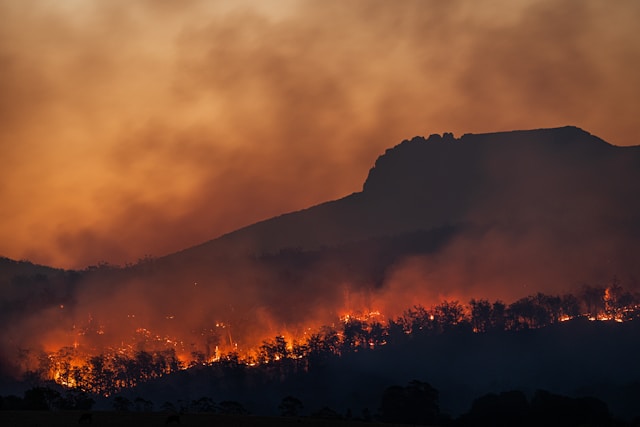
Australia is known for its bushfires during the summer seasons (December to March) but since September last year, Australia has been battling against one of its deadliest bushfire crises, which already has claimed close to a billion wild animals, thousands of homes, and several human lives, and seems to be not over yet despite the valiant efforts by the firefighters and the local and federal government.
If you’re capable and willing to lend a helping hand, please find some of the ways to support the causes you most feel for, which have been organised by the categories and the area for your convenience. We are also covering some useful tips and guide regarding the Australian bushfire season.
Which areas are affected by these bushfires?
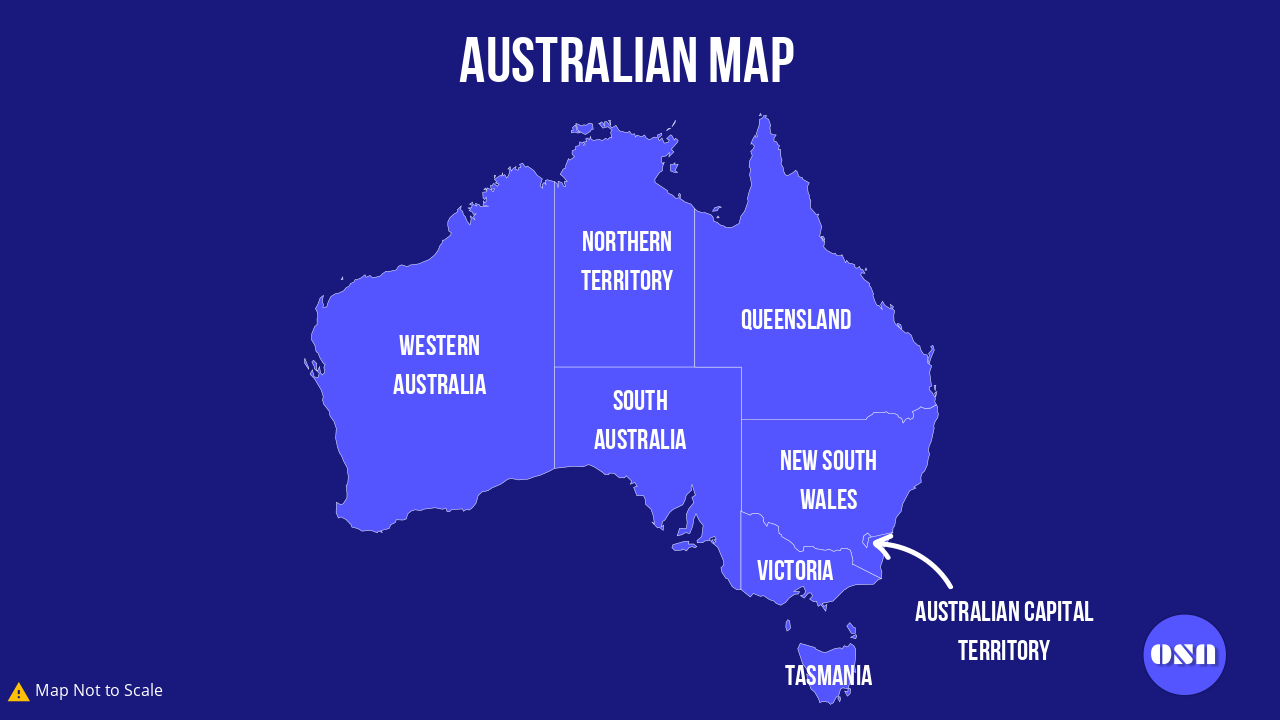
Although, the bushfires are going on pretty much in all states and territories in Australia this season, but there are 4 main states that are severely affected by this year’s bushfire season.
New South Wales – Mostly north coast, the mid-north coast and blue mountains area of the New South Wales state have been badly impacted by the bushfire season.
Victoria – In southern parts of the state Victoria is severely impacted by the bushfires, especially East Gippsland and High Country (including Alpine Region).
South Australia – Kangaroo Island has been badly damaged due to the fire and other areas including Adelaide Hills, Mount Lofty Ranges, etc.
Queensland – In Queensland, mostly southern-eastern, central, northern, and far northern Queensland including the Sunshine Coast region were affected by the blazes.
How to help the Australian bushfire victims, wildlife and firefighters?
There are many ways you can help as an international student in Australia during this bushfire crisis. However, we suggest you can help by:
donating some money to the various registered organisations
becoming a volunteer at one of the organisations that help bushfire victims and wildlife.
spreading the word via your social media accounts
If you can’t afford to pay for the Australian Bush fire appeals then you can help by becoming a volunteer at one of the organisation that supports bush fire victims.
Becoming a volunteer can actually help you in lots of ways, for example:
You can learn more about Australian slang and accent as you are likely to work with many locals. It will certainly help to boost your confidence as well.
You also get to meet people from all walks of life and it gives you a chance to network with like-minded people who are willing to help the community.
You represent your country and community in Australia and by helping people in need, you will help your community representation in Australia.
It looks good on your resume. Australian employers certainly appreciate community-minded employees.
If you would like to donate money
You can consider donating money to the following organisations:
While we are in the middle of the scorching summer and there is no end in sight for the bushfire season, here are few things we suggest to stay safe in Australia:
Download app and regularly check website from your state fire authority website – [NSW] [VIC] [QLD] [SA] [TAS] [ACT] [WA] [NT]
Understand the Fire Danger Rating and warning signs.
Wear masks and stay indoors if there is smoke outside.
Always follow and listen to official news and warnings only.
Final notes
Last but not least, some scammers are using the Australian bushfire as an opportunity to scam people and take advantage of this unfortunate situation. We suggest you always check the details of the organisation before you are going to donate.
We would also like to thank all the firefighters, volunteers and everyone involved in fighting these fires and helping the community in any possible way.
If you can help us by sharing this article with others, it will be really helpful. Thank you for help.
So you have landed to study in Australia but you don’t know anyone here. You don’t know how to get around and worried about making friends. So in this article, we are looking at 10 ways on how to make friends in Australia as an international student.
1. Making friends at University
As an international student studying in Australia, the first point of contact for you will be your educational institution. Whether you are studying in a university, TAFE or a private provider, there are usually many opportunities for making friends at all these institutions.
To make friends at your university, we suggest you attend your orientation. Now we explain a lot about orientation in detail here. But to give you a quick overview, orientation is a way of welcoming new students by Australian educational institutions.
Another way to make friends at uni is when your classes start you can observe the people in your lectures or tutorials and approach them for a drink or sharing notes or just having a meal.
You can also join student social clubs and participate in various activities organised by these clubs. Not only it gives you some experience in dealing with people from various backgrounds but also helps in making lifelong friends.
Also, attending special events organised by your institution is a good way to network and make friends. So whether it is a special lecture, guest speaker conference, workshop, seminar, etc, try to attend as many as you can.
2. Make friends at the workplace
One of another popular place for lots of international students to make friends in Australia is at their workplace.
It is quite a common culture for many workmates in Australia to mingle after work, especially for after-work drinks. But if you don’t drink, that’s fine too as you can ask your workmates to go for other activities like watching a movie, going bowling or a bite to eat.
Lots of workplaces even have a culture to encourage staff to do other activities which help to build team bonding like barbeques, playing sports, day trips and family activities etc.
3. Choose your accommodation wisely
Accommodation can be very critical for making new friends in Australia, so choose it wisely. While there are many types of student accommodations available for international students in Australia. You should choose the one that meets your budget, lifestyle and the one where you can make a few new friends.
Lots of international students choose backpacker hostels as their first accommodation before moving into other types of accommodations. It is not only cheaper to live rather than a hotel or private room but also an excellent way of meeting new people from other countries and cultures.
Apart from backpacker hostels, international students also live in managed student accommodations. These accommodations are specially designed to meet the needs of the students.
So these managed student accommodations have lots of other students from different parts of Australia and the world living under the same roof. If you decide to live in them, then don’t forget to attend all the social events organised by these facilities.
We also know that some students will not live with other students from their own culture or country, so they can make friends from other parts of the world and it can help them to improve their English as well.
4. Facebook and Whatsapp groups
Another way to make friends in Australia is through social media platforms. But we are specifically talking about Facebook and Whatsapp groups as these are indeed very popular networks for socialising in Australia.
There are many groups you can join and make friends with other group members online and attend all the events organised by the group admins or members. Alternatively, you can catch up with these people privately outside the group events too.
In case, you decide to meet a person in private, we suggest you meet them in public places like cafes, restaurants, etc to ensure your safety.
5. Attend local events
Most of the Australian cities and towns organise various food festivals, exhibitions, and other educational events during the year. Check all the local events happening in your area and visit them and make friends with locals there.
You can check all the events happening in your local community by visiting your local council’s website. We suggest you check this website for all the major events happening in each state and territory.
As Australia is one of the most diverse countries in the world, there are many cultural events that you can be a part of. So whether it is Chinese New Year, Indian Diwali Festival, Greek Festival or Spanish Fiesta, you can enjoy these cultural events and make new friends either by just attending or working at them.
These events are usually free to attend and they can be close to your neighbourhood so don’t need to travel far away from attending them.
6. Do volunteering when free
For some students it might seem like that volunteering is a time-consuming task and of course, it’s not paid work but it’s definitely done for a good cause. While volunteering, you will come across people who share the same common values of helping others.
You can do volunteering either by helping an elder, disabled person or you can join a local volunteer organisation. There are many ways you can help the local community in Australia.
It is also very much appreciated by locals and you can use the experience you gained at these volunteer events or jobs in your resumes too.
The volunteer organisations are always needing more helping hands. So don’t be shy! Go volunteer is also a very popular platform for finding volunteer work in Australia.
7. Play sports
Australians love their sports especially Australian Football (aka AFL), Cricket, Soccer, Hockey, Rugby and pretty much any sports you can think of. Playing sports will also mean that you will keep yourself healthy and fit.
Ideally, you can look for sports club in your local area by checking it on facebook groups or find it from your local council or a community center. Sometimes, a simple google search to find a sports club in your local area can also do wonders.
Alternatively, you can also join a gym as they regularly hold events and you can find a buddy to workout with and have a decent conversation as well. You will see familiar faces on a regular basis in the gym, so no harm in asking for a piece of quick advice or support to start a convo there.
8. Go to your place of worship
Believe it or not but religious places are not the only way to connect with God but also with other people who share the same belief as you do. So whether you are Christian (Church) Muslim (Mosque) Hindu, Buddhist, Sikh (Temple), Jewish (Synagogue) there are many religious worship places you can visit for praying and seek friendship there
You can always start by talking with religious leaders of the place about how you can connect with more people and attend the events organised by these places.
Usually, people attending these religious places are welcoming and if you are regularly attending these religious places, you can make more friends there.
9. Go to a local Library
If you love reading books, there is good news for you as there are plenty of libraries in Australia. Not only you can read the books in the library but also you can also find other readers who have a common interest in reading similar types of books.
If you already know about the layout of the library, then you can help others who are searching for books. Again, the libraries also organise tours, events and other activities, you can be a part of these groups for these activities for making friends.
10. Be part of the meetup groups and events
Australian cities are famous for organising lots of meetups. You can literally find many meet groups in each city. The best way to find these groups is by using online platforms like Meetup.com and Eventbrite.com.au.
These groups and events are organised by a host and you can also filter them by your specific interests. If you are confident in organising events, you can also create your own group or event on these platforms.
While lots of these groups and events are free to attend, some of them might cost you some dollars.
So there you have them all on how to make friends in Australia as an international student. We want to hear which method did you use to make new friends in Australia.
Food is one of the most important parts of our lives. As a vegan or vegetarian, it can be hard to survive in certain countries. But is Australia easy enough to survive for vegan or vegetarian international students? Let’s check it out in this guide.
For those who don’t know, while both vegans and vegetarians avoid eating animal meat, vegans avoid eating any animal produced products like milk, cheese etc. as well.
Can I survive as vegan or vegetarian in Australia?
In short, the answer is definitely Yes, You Can!. It is certainly possible to survive as vegan or vegetarian in Australia. While most of the major cities have plenty of options for Vegans and vegetarians, you might feel short of options if you are in regional towns and cities.
Who would know better about how to survive as a vegan/vegetarian than our very our founder, Sam, who has been living here in Australia for more than 12 years and never felt an urge or being short of so many food options that Australia has on offer for vegans and vegetarians in Australia.
Things you must know about vegan and vegetarians in Australia
Australians are considered to be one of the most meat-eaters in the world.
Although, the latest research shows that many Australians are adopting a vegan and vegetarian lifestyle.
Although lots of people, especially in cities understand the concept of being vegan and vegetarians, there are still plenty of Australians who don’t understand that.
Don’t feel offended when you are going to Aussie BBQ/meeting/social setting if there is no vegan or vegetarian food available.
Australia has lots of fresh produce of fruits and vegetables so there are plenty of choices there. Some fruits and vegetables especially the one imported from other countries can be expensive though
There are plenty of grocery shops available from countries all over the world like Asian, Indian, European, etc, so you can still have a taste of your home country.
Tips for surviving as vegan and vegetarian in Australia
Before arriving in Australia
Even before arriving in Australia, make sure to contact your airline and pre-order your flight meals.
If you have already have made arrangements for the accommodation in Australia, then you should contact your host or accommodation provider and make an arrangement for the food meeting your dietary requirements.
Learn to cook
It is a good idea to learn how to cook your own meals as it is not only a cheaper option but you also know what is putting inside your food.
Cooking can be a fun thing to learn and once you master the skill, there is no stopping you. You can buy your plant-based groceries from local supermarkets, local markets, and specialty stores and learn how to cook using YouTube, reading cookbooks or family’s help.
Check the labels
Read the ingredients on the packaging. Any food served in Australia whether packed or not must have nutrition information and ingredients used.
Unlike other countries, there are no specific labels requirements for Vegan and Vegetarians friendly foods by the Australian government. Although many companies have started using those labels now.
Adjust your tastebuds
The flavor of the food might be different than your home country so you will need to adjust your tastebuds accordingly. If you have same taste expectations like your home, then you might get yourself disappointed,
If you are out and about
If you are going to be out for a long time during the day, then it is advisable to bring your own food from home and especially if you are going to be in the regional areas and outer city areas.
If you can’t carry around too much food, then we recommend you to at least keep some snacks in your bag.
Ask when eating out
If you are eating out, then confirm with the restaurant waiter/waitress about the food before ordering as some restaurants consider eggs and fish as part of a vegetarian diet.
If you can’t find any vegan or vegetarian dish on the menu, then you can ask the waiter/waitress if there is any chance they can alter or modify one of the menu items so it is a vegan or vegetarian.
Ask for help and connect with others
If you are still unsure and struggling to find the right food for you, then we suggest you ask around from your landlord, friends, teachers and support service officers from your education provider.
If you are new to the country or coming soon to Australia, then we also suggest you connect with like-minded people through Facebook groups (like vegans in Australia), Whatsapp groups and WeChat groups.
Where you can buy vegan and vegetarian groceries
There are many vegan and vegetarian-friendly groceries and supermarkets available in Australia. All the major supermarkets in Australia have products meeting the needs of vegans and vegetarians. You can easily find a substitute for any food item. Almond milk, tofu, vegan burger, vegan tacos, and even vegetarian sushi.
Vegan toiletries are also becoming popular by the day and you can find them in the leading supermarkets as well. Here is a list of popular supermarkets where you can buy your vegan and vegetarian products:
Woolworths
Coles
Aldi
IGA
Foodworks
Apart from these supermarkets, there are specific vegan stores in most of the major cities in Australia. Most of them you can easily found out using a simple google search.
Websites and Apps for eating vegan or vegetarian food in Australia
Vegan Australia is an organisation that provides information regarding veganism in Australia. They also have lots of resources, articles and organise events throughout Australia.
Popular Vegan and vegetarian fast-food restaurants in Australia
Although, we suggest you check more restaurants and eating places for vegans and vegetarians in your city using one of the apps or websites mentioned above. Here, we are giving a list of popular food chains that you can find vegan or vegetarian food (pretty much) throughout Australia. Most of these restaurants can be found in all major metro and regional cities.
Please note that most of these restaurants have vegan or vegetarian options only and are serving food with meat as well. We can’t make comment on if they are cooking vegan or vegetarian food using the same equipment or not. So if you have a strictly religious or dietary requirement, we suggest you do your own research before eating at any of these restaurants.
Burger/Sandwich
Hungry Jacks
Hungry Jacks offer Vegan breaky Muffin and Vegan Cheeburger along with their fries and hashbrown as well.
Grill’d
Grill’d offer not one, two but four vegan burger options on their menu. You can also request to customise any burger on the menu making it vegan and vegetarian. Fries are vegan as well.
Subway
Subway in Australia offers few options for vegans and vegetarians. You can their try Veggie Delite or Smashed Avocado. Their toasties are vegetarian as well.
Lord of the Fries
Everything on the menu of Lord of the Fries is 100% plant-based and vegan. So you are good to order anything from their menu and be assured that it is vegan.
Nandos
You can try their vegetarian burger from the main menu or try their word famous Peri-Peri chips.
Schnitz
Schnitz are known for their innovative menu. You can customise most of their rolls or wraps by avoiding few ingredients and swapping with vegan cheese and vegan mayo.
Mexican
https://www.instagram.com/p/B70CW–luFZ
Guzman y Gomez
Guzman y Gomez is one of the leading Tex-Mex Mexican food chains in Australia and they serve a variety of burritos, enchiladas, tacos, and nachos. You can easily get a vegan and vegetarian option while eating here.
Zambrero
Whether, you want to order burritos, chikitos, bowls, nachos, tacos or quesadilla, vegan and vegetarian-friendly options are available for all these items. Plus make sure to try their spiced cauliflower side.
Mad Mex
You can enjoy burritos and nachos without having any meat inside them. They have also added a vegan cheese option for meeting the needs of vegans as well.
Salsa’s
Salsa’s offer Mucho burrito and veg bowl for vegans and vegetarians. You can try their Mexican salad, corn chips, and nachos.
Pizza
https://www.instagram.com/p/Bzo-ZPbgzS1
Domino’s
Domino’s not only offered 3 vegan pizzas but has many options for vegetarians as well. They even offer vegan garlic bread on their menu.
Pizza Hut
Pizza Hut in Australia offers 3 vegetarian pizzas which can also be customised to be vegan. If you want to completely customise the pizza, you can do so on their website as well.
Crust
If you are seeking vegan pizza options, then Crust is definitely the place to be. With 3 vegetarian and 2 vegan options, Crust has upper hand than most other pizza franchise. They also offer pasta and salads as well.
Pizza Capers
Pizza Capers also offer 4 pizzas which can cater to the needs of the vegan (2 of them) and vegetarians. They also offer vegan calzones as well.
Healthy
Sumo Salad
Sumo salad provides a range of salads, soups, wraps, sandwiches and other healthy snacking options. You can also customise their salads as they allow you to build your own.
Soul Origin
Soul origin is also famous for soups, sandwiches, soups, baguettes, paninis and other healthy food. Their menu has a decent range of options for vegetarians but they have fewer vegan options.
With so many options for vegetarians and vegans in Australia, it is certainly possible to survive as a vegan or vegetarian in Australia. So if you are a vegan or vegetarian and planning to study abroad, then we would definitely recommend you to choose Australia as a top destination to study.
Finding accommodation to live in Australia is one of the most challenging parts of overseas students life. It can be really challenging as
You usually compete with the locals for the property
You don’t have rental history
You don’t income proof as you don’t have Australian employment
You probably have no guarantors
Here in this guide, we explain the step by step on renting in Australia as an overseas student.
Step 1: Look for the property
The first step is to look for the property that you would like to rent. There are various types of accommodation options available for overseas students in Australia. You can rent a
Private rental
Student apartments
On campus and
Home Stay
You can find more information about all these accommodation types here.
Before you even decide the type of accommodation, we suggest you consider the following selection criteria for choosing the accommodation:
Budget: How much money would you like to spend?
Area: Which suburb or areas you would you like to love?
Facilities: Which facilities matter to you the most like furnished accommodation, pool, gyms etc? It is also important for students to have a nice desk and comfortable chair, as they spend a lot of their time studying.
Location: How accessible the university/college, work and shopping are from the property?
Public Transport: How far is the public transport from the property?
Although, there are many ways (e.g. student services from your institute, notice boards, newspapers or real estate agents office) you can look for accommodation in Australia but the most preferred way is to search the properties online. You can look for various rental properties on popular websites like:
Once you selected a few properties meeting your selection criteria, the next step is to inspect the property. You will need to check the property inspection open times and it is also advisable to confirm the timings with the property agents as well because sometime the inspection times might change.
Usually, the property managers will open the property for 15 to 30 minutes. In Australia, Saturday is the most popular day for the inspections. Although, there might be another days or timing available as well. The property manager may even ask for your identification and some personal details before letting you inspect the property.
After inspecting the property, the property manager may ask you if you like the property and if you would like to apply for the property. If you like the property, then you will go to step 3, if not, then you will keep inspecting the property until you find the one that meets your requirement.
It is also advisable to inspect the property before renting as some students in the past have reported that pictures shown on the websites look different than the reality,
Step 3: Application for the property
Once, you are happy with the property, you will need to proceed with the application of the property. This usually involves completing an application form and providing as much information as possible.
Some of the key information that you need to provide in this application form includes:
Personal Details including some form of identification
Employment details
Previous rental history
References from employers and previous landlords etc.
Once you submit the application, the property agent will notify you about the result of the application after discussions with the landlord. The property manager will also conduct the background, employment and reference checks as well to ensure that they are going to give rental property to someone who can pay the rent in time.
There can be quite a lot of competition in some properties so it is better to apply nice and early if you would like to improve the chances of getting a positive answer.
Step 4: Sign the lease and paying the bond
If your application is successful, the next step is to sign the lease. A lease is a legally binding contract between you (a tenant) and a landlord. A lease can be fixed term (which is for a specific time like 12 months) or a periodic lease (month by month).
This lease document will have information on:
How long a tenant can live
How much the rent will
When the rent must be paid and how
How much the bond will be
How often the inspections will be conducted
Any special conditions that tenants must abide
You will also usually need to pay the bond when you are signing up the lease. A bond is a refundable security deposit that you need to provide to landlord or property agent which they will then be lodging it to the authorised government body in your state or territory. You may need to pay an amount equivalent to 4 to 6 weeks of rent as your bond.
A bond is kept by this authority till your lease finishes and you decide to move out of the property. It is kept to ensure the rights of a landlord to cover any expenses for damages that might be caused by the tenants. It is important that you get a copy of the receipt of your bond.
If you plan to sublet the property to other tenants, then you should get approval from your landlord first. Also, it is better to have every co-tenants name on the lease as well as it legally binds them also in case something does go wrong.
Step 5: Condition report
Once you signed the lease and lodged bond, it is time to move into the property. Prior to moving into the property, your property agent or landlord must give you a condition report. A condition report is a document that records the general condition of the property and any existing wear tear or damage.
You must get this report and complete if you find any further damages or scratches or any other missing items. Once completed, you will need to give it back to your property manager or landlord. You must keep a copy of that condition report for yourself as well.
It is also advisable to take photos of any damages or scratches that happened before you move into the property to avoid any future disputes with the property manager or landlords.
Step 6: Moving into a new home and Inspections
It is time to move into the property and make it to your own. Welcome to your new home!
While you are renting the property, it is always good to keep it clean and tidy at all times. You should try to treat it like your own house. The property manager or a landlord will conduct regular inspections also to ensure that the property is well maintained throughout the lease period.
The inspections will usually be conducted at least 2 or 3 times per year if your lease is for 12 months. It can be more or less depending on the agreement that you have with the landlord or the agent.
A landlord or an agent can not inspect the property without giving you written notice. There usually restrictions on timeframes as well on when the inspections can be conducted. You usually don’t need to be present at the inspection as a landlord or a property agent keep the spare key of the property.
If while renting, there are things that need to be repaired then you can tell them to the agent or landlord when they come for an inspection. However, if the repairs are urgent then you must notify them as soon as possible.
Step 7: Ending the lease
Once the lease is over, it is up to you and landlord if you want to extend it further or not. If you are planning to move at the end of the lease, then you must notify the landlord or agent at least 28 days before the lease expires. It gives the chance to the property manager or a landlord to show the property to other prospective tenants.
When leaving the property, it is important to make sure to leave it clean and tidy. It is always advisable to leave the property the same way that it was when you moved into it. Your property manager or landlord will inspect the property after you leave. They will also do the final condition report also and if the property is not left clean or in a reasonable condition, then they might deduct the cost of cleaning or damages from your bond.
When the final inspections are done, you and your landlord or agent must complete a bond claim form after reaching an agreement on how and to whom the bond should be paid out. However, if you and your landlord or agent can’t reach an agreement then a landlord or a property agent should to the tribunal for claiming the bond in case of dispute over cleaning or damage.
You can apply for tribunal for claiming your bond as well in case you don’t receive the bond back within a few days of moving out from the property.
Also, it is important to cancel all the utilities like gas, water, electricity and internet as well. You must also notify all the businesses you expect to receive the mail from. Alternatively, you can use Australia Post’s mail redirect service for redirecting all the mail to your new address.
Where to get more help
If you need further information on renting, we suggest you contact the relevant authority in your state or territory. Here is a list of the relevant authorities for each state and territory in Australia
In this blog, we are going to explain things you need to know about driving in Australia.
Let’s go.
Can I drive in Australia on my overseas licence?
One of the biggest questions in an overseas student’s mind is that can I drive on my overseas licence in Australia?
International students are considered as temporary residents in Australia which means you are allowed to drive with your home country licence but some states and territories have strict laws regarding this.
As an example, the Northern Territory does not allow overseas students to drive more than 3 months of their arrival with an overseas licence.
We suggest you to check with your local transport authority to see if you are allowed to use your overseas licence or not. Also, please make sure you have a valid visa and your driving licence is current as well.
We also suggest you have an international licence done before coming to Australia. If your licence is not in English, please get it translated in English before coming to Australia.
Very important information – If you become Permanent Residence (PR) of Australia, then you will need to get an Australian Licence within the first 6 months of getting PR. You will not be allowed to drive in Australia on overseas licence after that.
Getting an Australian driving Licence
In order to get an Australian licence, usually, you have to go through some tests unless you are from
There are three types of tests, you will need to go through with. These are
Learner Test
Hazard Test
Driving Test
Most states and territories will have a first test known as Learners test where you will need to complete the test in local transport authorities office on the computer.
The second test, Hazard test, is also conducted in the same authorities office, and you need to analyse and assess the hazards while driving a car in a simulated environment. This test is also conducted via computer.
The third and last test is a Driving Test, where you will need to drive along with the observer, who will observe your performance while driving the car. The observer will ask you to drive a car in certain areas around their office and they also ask you to actually do certain driving tasks like parking, reversing etc.
You will usually need to book all these tests in advance and there is a fee involved with each test. Once you successfully complete all the tests, then you will be issued with a probationary or a full licence depending on your situation.
Road Rules
Here are some common rules that you must follow in Australia in order to avoid accidents and penalties:
Drive on the left side of the road
Don’t drive while or after drinking
Always wear safety belts while in the car (including passengers)
Kids younger than 7 years must be in their own special car seats
Don’t litter or throw anything from your car on the road
Always carry your driving licence while driving
Never use a mobile phone while driving
Always be careful of speed limits and make sure to follow them
These are some basic road rules, and you will need to abide by them if you are going to drive in Australia.
If you are caught breaching of any of the mentioned rules, then you can get fined for that. The fines in Australia are very high so it is advisable to avoid as many as you can and follow these rules.
Buying a car
If you are planning to buy a car in Australia, then you should consider the cost of buying, running and maintaining a car.
Where you can buy the car?
You can buy the used or new car from:
Local authorised dealers
Reseller dealers
Private sellers
Auctions
Additionally, many people in Australia, post their car ads online on various websites, so we suggest you to check them;
Carsales.com.au
Gumtree.com.au
Drive.com
Autotrader.com.au
Carsguide.com.au
How to buy a car in Australia?
We will make it easier by putting this in a few steps
First of all, you will need to decide whether you want to buy a new or used car.
Then decide on how much would you like to spend for buying a car (your budget). You can actually buy a used car as cheap as $2,000 in Australia.
Then you need to do your research about the car. We suggest you to check online first to see what’s available and what fits your budget
Then make an arrangement to view and inspect the car with the dealer or a private seller
After inspecting and if you the car meets your requirements, then you need to formalise some paperwork
Always get to know about the car history, any loan amount still due and known mechanical or technical issues with the car before signing anything.
Also, it is important to ask for a car with a roadworthy certificate (which means a car is worth driving on the road without being a risk for you and other drivers).
By law, dealers must sell the car with a roadworthy certificate, but private sellers are not obliged to, so make sure to ask for that.
We also suggest you get a car checked by a mechanic before you decide to buy it. Most of the sellers won’t have a problem with that.
Last but not least, after signing the paperwork, you may need to bring the documents to the local transport authorities for transfer of ownership
You might have to pay extra costs like Stamp Duty and taxes when purchasing a car from a private seller.
Once, all the formalities are done, then you are good to go with the car to drive.
How much will it cost me to buy, run and maintain a car?
Owning, running and maintaining a car can be an expensive affair for overseas students. So, we suggest you really consider that you need a car before buying one.
The reason for that is not only costly but also the public transport system in Australia is very good in most of the cities. So it much easier to travel around the city and suburban areas.
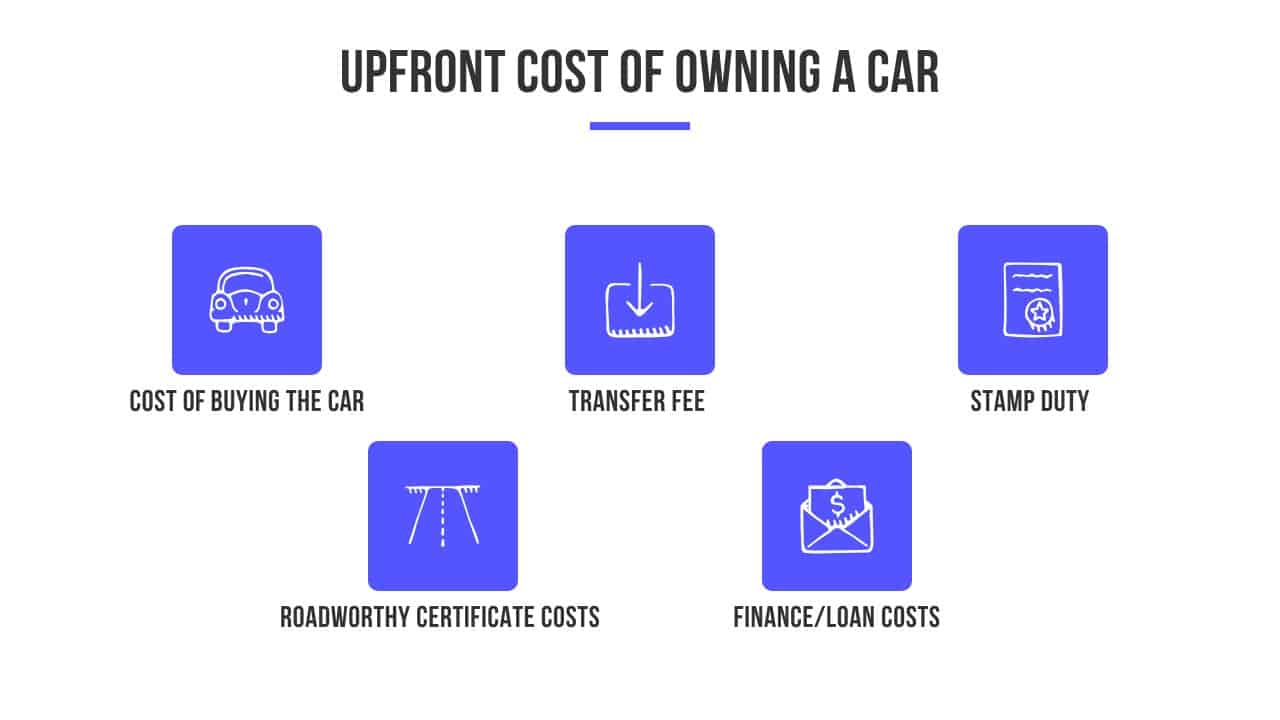
The costs of the car can be split into two main categories. These are upfront and ongoing costs of the car.
Below you can check the average cost of owning a car in Australia per year. Source: Finder.com.au
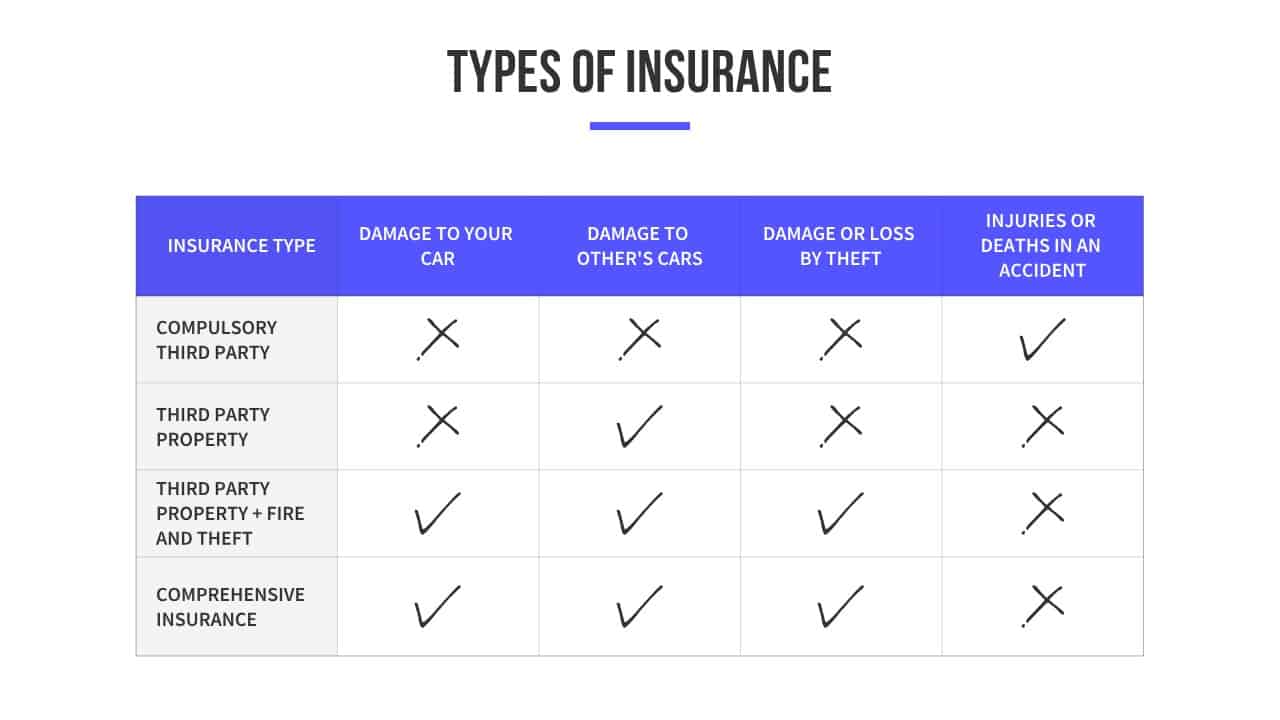
Car insurances are required to cover any costs that may arise due to any accidents on the road which damages your car or property and the other parties There are few types of insurances you can take to cover the damage to your and other’s car and property. These are
Compulsory third party
Third party property
Third party property, fire and theft
Comprehensive
The table below shows what these insurances cover and not cover
Relevant State and Territory licencing authorities
Also, as discussed in the video, each and every state and territory has its own set of rules and regulations regarding licencing. So please check the link of your territory and state’s motor authority in order to find more details about it.
Here is a link to all the Australian Transport Authorities in each state and territory:
While catching a bus is a simple thing as it is but there are few things you should be mindful of when catching a bus in Australia. This guide cover details regarding everything you should know about catching a bus and having a pleasant journey in Australia. Here are the details:
Planning a Trip
It all starts with planning your journey before even you travel. It is important to understand the timetables, nearest bus stop and the routes bus may travel before you decide to get on one. We suggest you to check timetables by:
downloading an app for your local bus/transport service in your city.
visiting their website.
getting a printed copy of the timetable from the local stations or sometimes even in the bus itself.
checking the timetable at the bus stop as well.
calling the hotline of the service provider.
Boarding the bus
Once you know the timetable and the route, we suggest you to follow these instructions
Always be at your bus stop at least 5 mins prior to the bus arrival time
Be sure that you can see the driver and driver can see you at the stop
If boarding, wave at the bus driver to stop the bus
Always let other passengers get out of the bus first before boarding
If you need assistance, ask the driver to lend you a hand
Some buses can be lowered down for meeting the needs of disabled and wheelchairs ramps are also available in most buses
If the bus doesn’t stop, there is a possibility that the next one is coming in a few mins only
Recognising your bus
You can find out whether the approaching bus is the one you need to board by looking at the number and the destination displayed, usually, above the windscreen. This display shows the route number and the destination of that bus route.
If you are still unclear or there is no display of the route and the number, it is better to ask the bus driver by waving at it to stop.
Paying the fare
It is important to pay your fare while travelling on any public transport in Australia including buses. Fare evasion is an offense in Australia and you can get the penalty for not paying the fare.
Usually, the fares are charged based on the distance you travel from point A to B. If you are paying by your transport card (ticket), then make sure you have enough balance in your card before travelling.
If paying by the cash, just remember these things:
Always bring correct change
Tell your driver about the fare you want and
Be ready to show your student or concession card
Understanding the ticketing system
Every state and territory have their own public transport ticketing system. In some areas, you can get away by paying cash for your fare to the driver while others you may need a card to pay the fares.
We have an infographic that tells you about the public transport ticketing system used in various cities in Australia here.
While concessions are available to all overseas students in most of the Australian cities. Major cities like Sydney and Melbourne have a restricted transport concession for overseas students. Please check the list of transport authorities to see if you are eligible to get a travel concession in your city. Links are given below.
Disabled and priority access
Most of the buses have a facility to accommodate the needs of the disabled, pregnant and travellers with children. So if you have a need to travel with pram, wheelchair, scooter, you will be welcomed to travel in the bus.
Most of the bus drivers are well trained and friendly and will be happy to accommodate any specific disability or access needs as well. Always follow the instructions of the driver in order to ensure your safety and safety of others.
Getting off the bus
Once you are approaching your stop, you will usually need to press the button in order to let the bus driver know to stop the bus. If you have to touch off your cards or tickets, make you sure you do that before getting off.
Bus drivers are not allowed to stop the bus other than the designated stops. We suggest you to keep seating until the bus comes to a complete stop. Once you get off the bus, don’t attempt to cross the road in front or behind the bus.
Health & Safety
Yours, other passengers and the bus driver’s health and safety is of prime importance. Here are some safety tips to keep in mind when travelling on a bus in Australia:
There are CCTV cameras installed across all the buses in Australia
In case of emergency, there are safety exit doors available to safely escape
There is usually a fire extinguisher close to the driver’s seat in case of fire
Make sure to hold on to railing especially when standing in the bus as sudden braking might be required in certain situations
Always let other passengers get out of the bus first before boarding
Bus drivers are well trained in handling various difficult situations
If you feel threatened or unsafe, report that to the bus driver
If it is an emergency situation, please call 000 from your phone as soon as possible
Don’t eat or drink in the bus. It is even an offence to eat and drink in certain cities and you can get a fine for that as well.
Drinking water is allowed though.
Lost and Found Property
If you lost something on any public transport including buses, it is best to contact the customer service office to get assistance. Lots of time people who find the lost property, give it back to the bus drivers or customer service officers at the stations. You can arrange to collect that item once found.
Same goes for it when you find someone’s property. You can give it back to bus driver or customer service officers at your nearest station.
Where to get more information
If you need more information or need to contact your local transport authority, you can find each of them given below:


 So you have landed to study in Australia but you don’t know anyone here. You don’t know how to get around and worried about making friends. So in this article, we are looking at 10 ways on how to make friends in Australia as an international student.














 There are many vegan and vegetarian-friendly groceries and supermarkets available in Australia. All the major supermarkets in Australia have products meeting the needs of vegans and vegetarians. You can easily find a substitute for any food item. Almond milk, tofu, vegan burger, vegan tacos, and even vegetarian sushi.
 Although, we suggest you check more restaurants and eating places for vegans and vegetarians in your city using one of the apps or websites mentioned above. Here, we are giving a list of popular food chains that you can find vegan or vegetarian food (pretty much) throughout Australia. Most of these restaurants can be found in all major metro and regional cities.